VETERAN LEADERSHIP
TRUSTED SERVICE
Service, Leadership, and Accountability:
The Foundation of My Commitment
to Thibodaux
WHY I CHOSE TO SERVE
My call to public service began on the morning of September 11, 2001.
Watching our nation come under attack left a deep mark on me, marking a lifelong conviction that our freedoms and communities are preserved only through selfless service and active duty of those willing to step forward. After seeing my older brother enlist in the Army in Infantry and return home wounded from Iraq, my determination deepened. I was only 17 years old when I took the ASVAB test and scored a 91 AFQT with a GT score of 112.
I explained the test results to my mother and that I wanted to join. She cried. I needed my parents’ permission to join. After a conversation with my mom and dad, they decided to sign the papers granting permission for me to join and the rest was history.
After reviewing my test results, the recruiter handed me a book to help me decide what job I wanted. I chose 88M, transportation. I remember my recruiter trying to talk me out of it, but I knew one thing, that I wanted to serve my country proudly like my brother did and driving trucks would guarantee it.
LEARNING LEADERSHIP IN THE ARMY
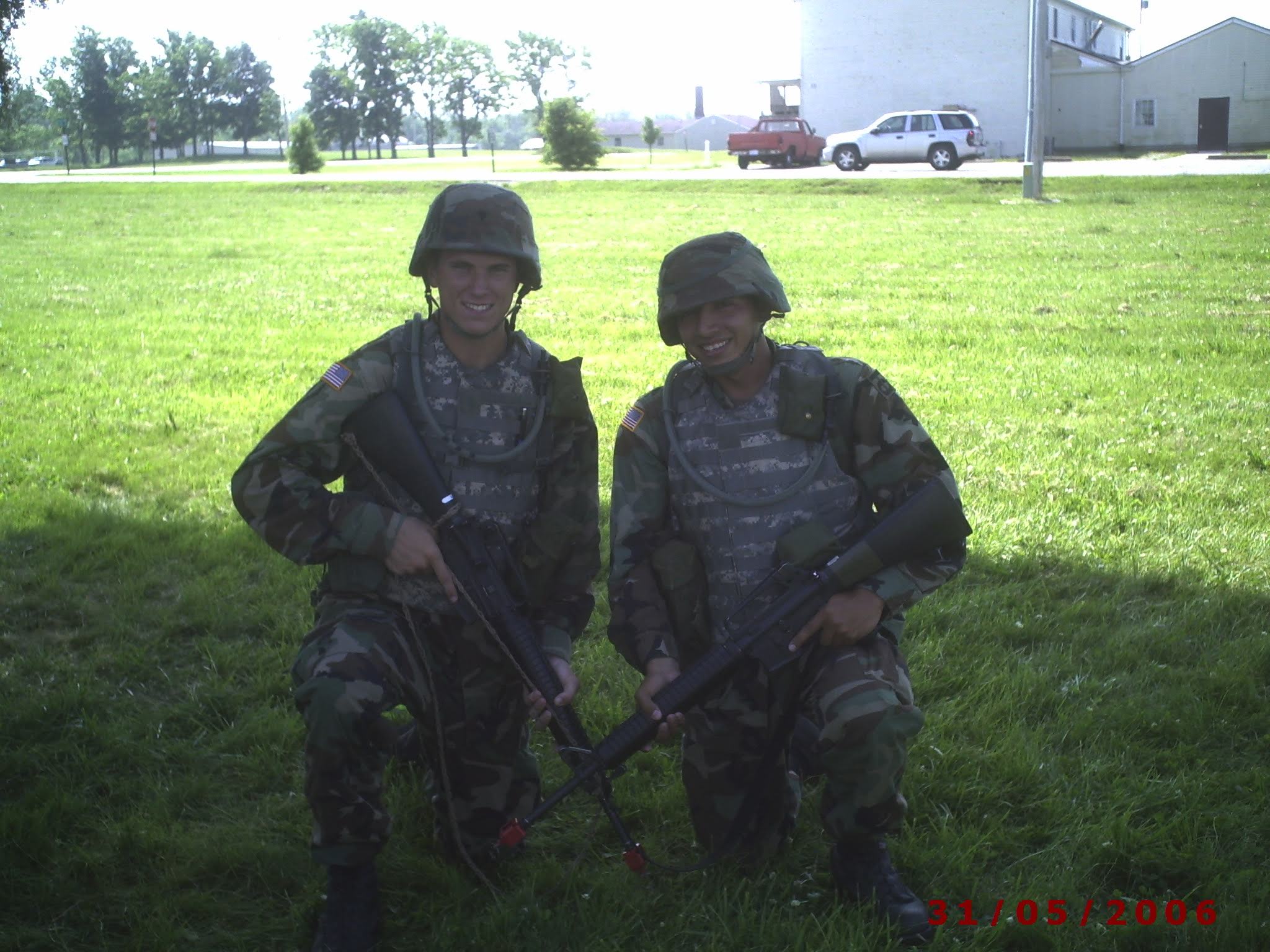
During Basic Combat Training with the 28th Infantry Regiment, I was honored with the Soldier of the Cycle Award. This is a distinction awarded to the recruit demonstrating comprehensive excellence in tactical competence, physical endurance, and academic rigor after standing before a formal board under intense pressure. It taught me early on that true leadership begins with discipline, preparation, and remaining calm when the stakes are highest.
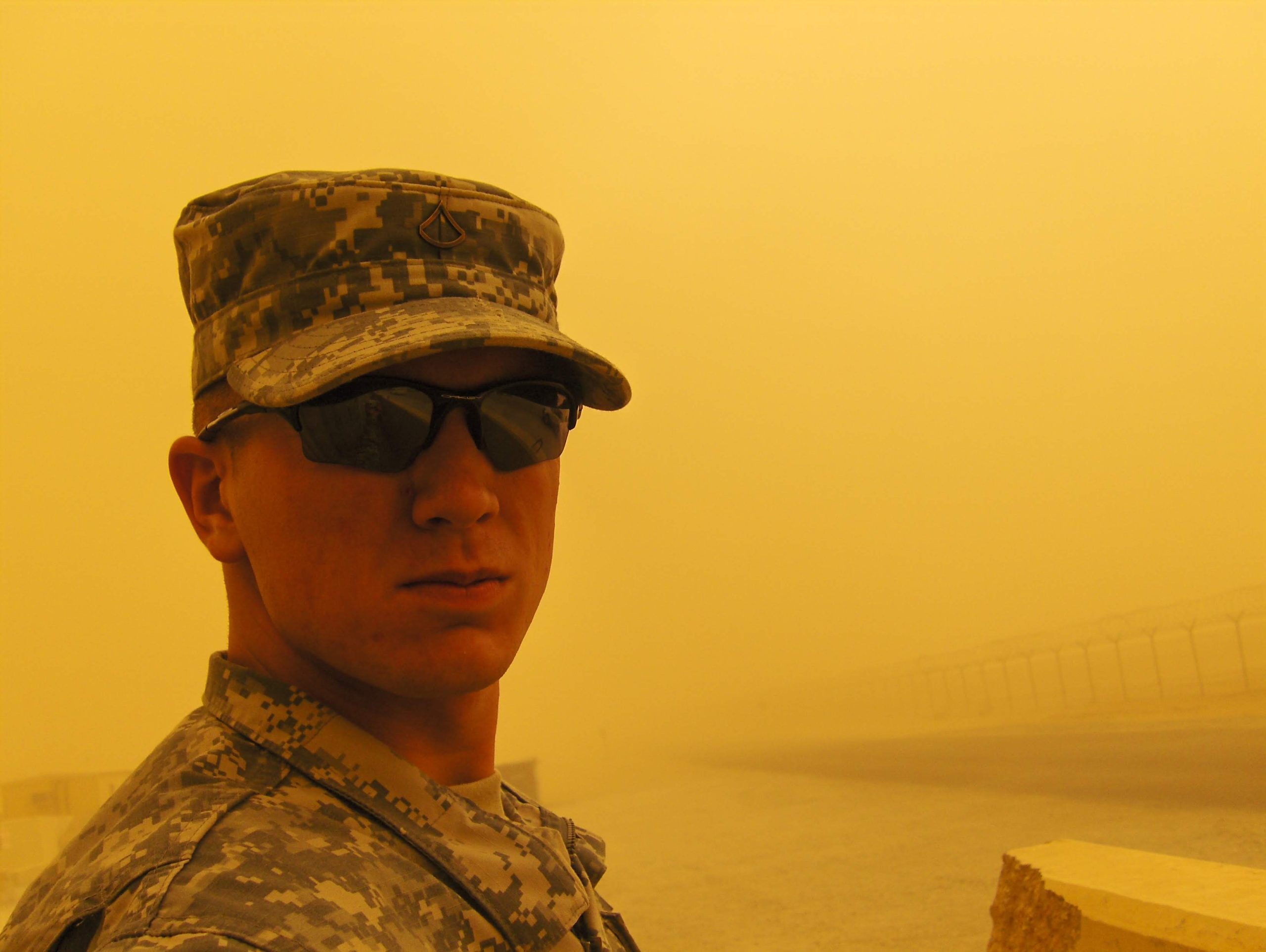
SERVING IN IRAQ
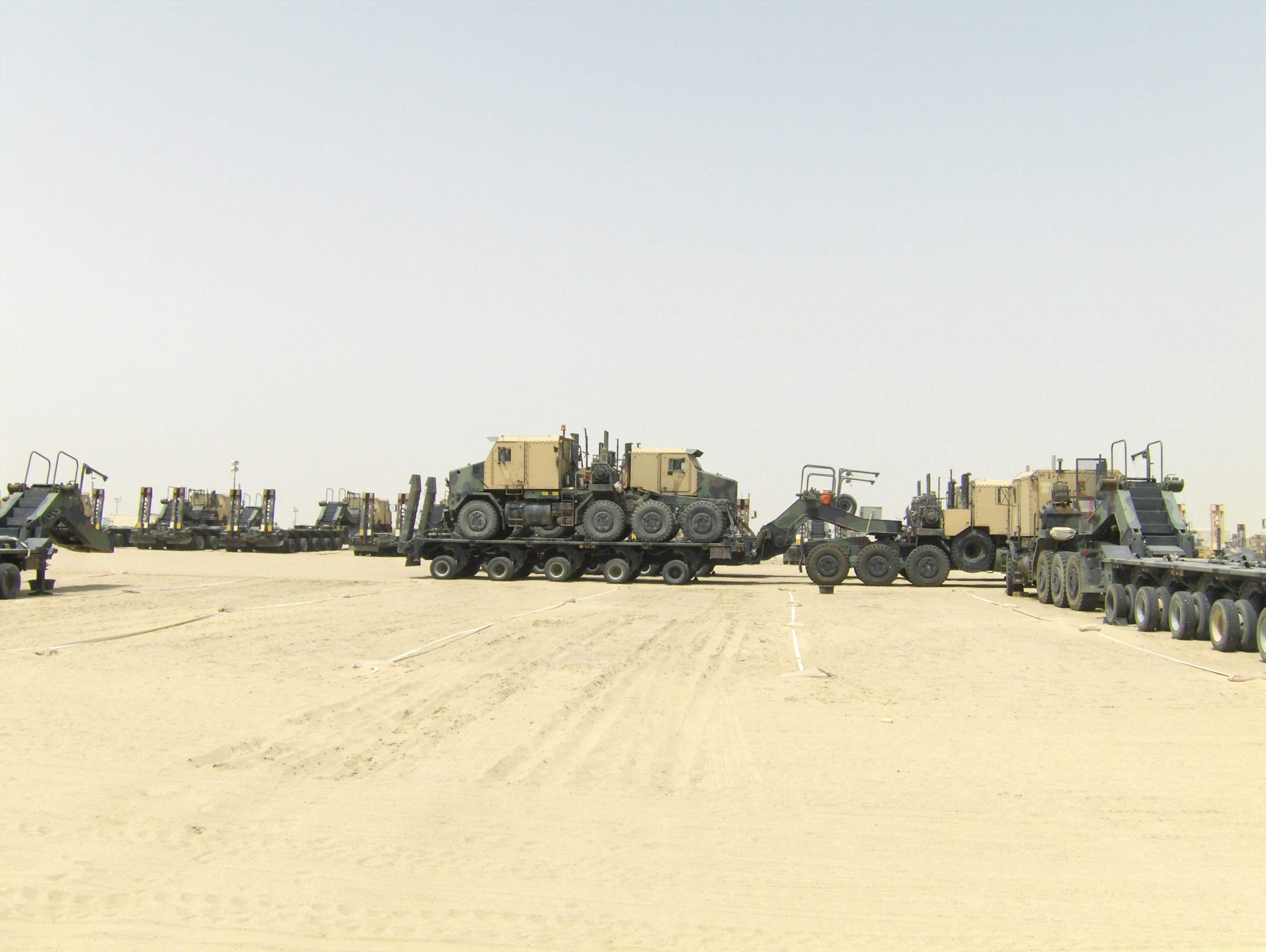
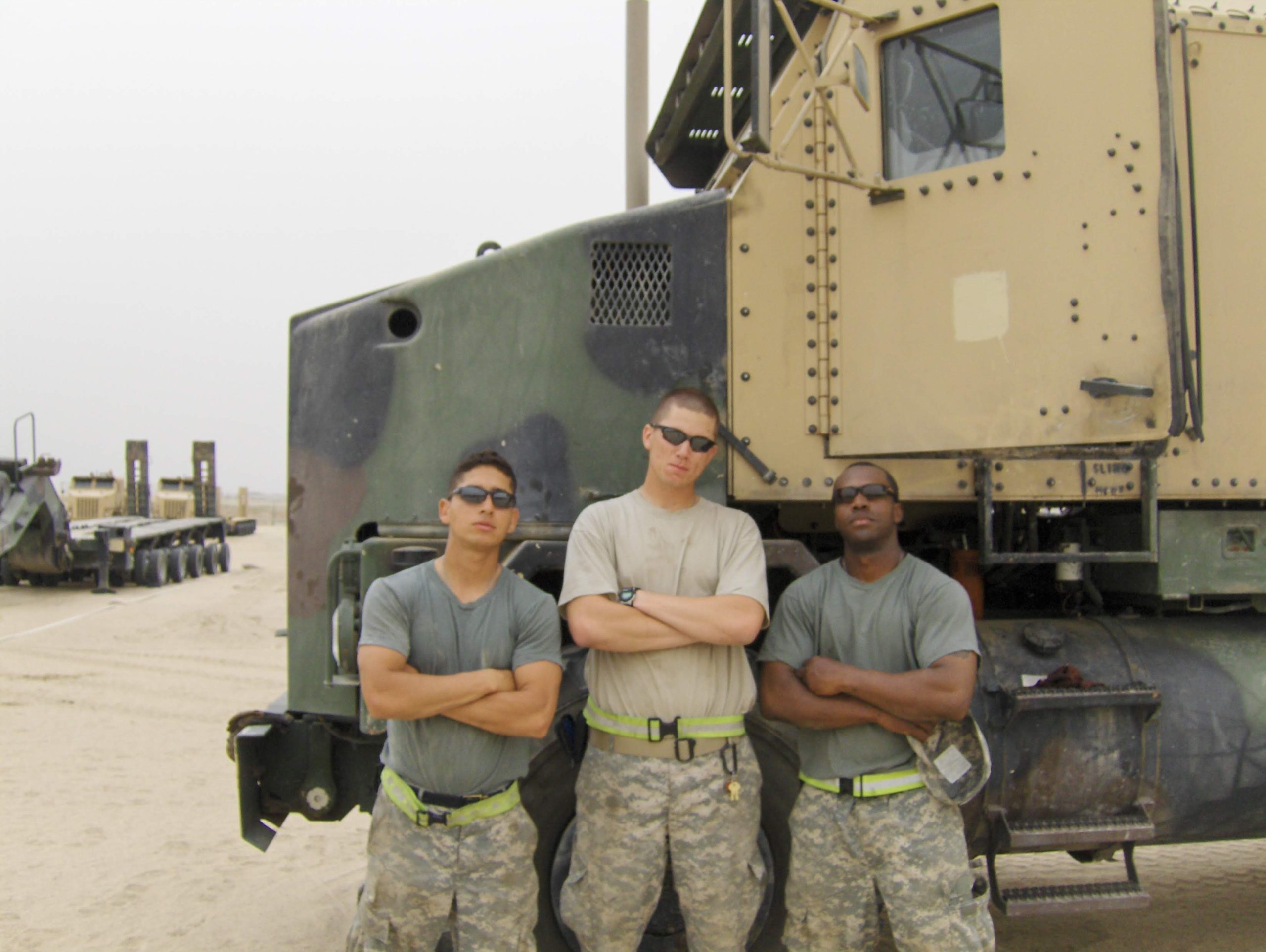
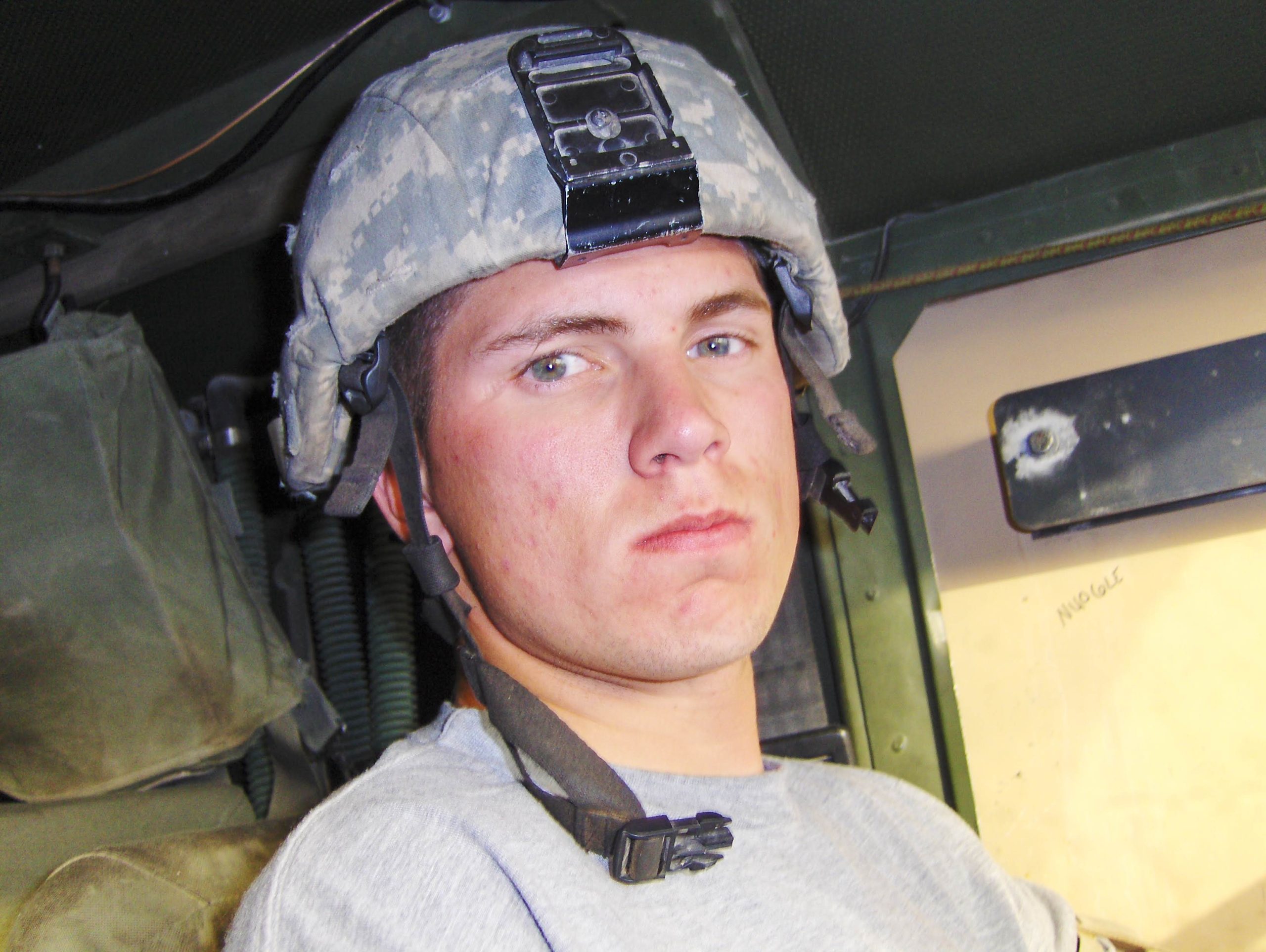
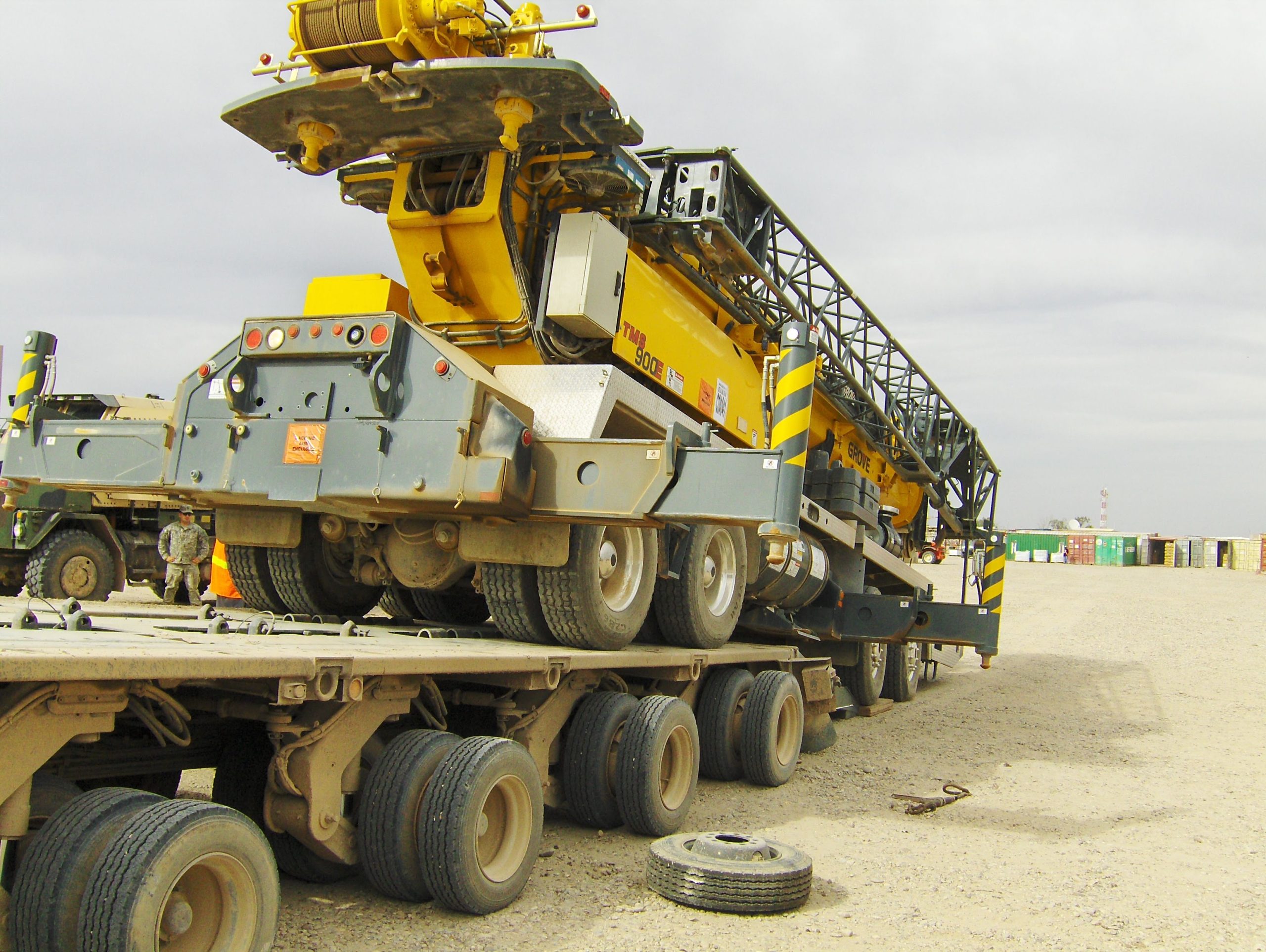
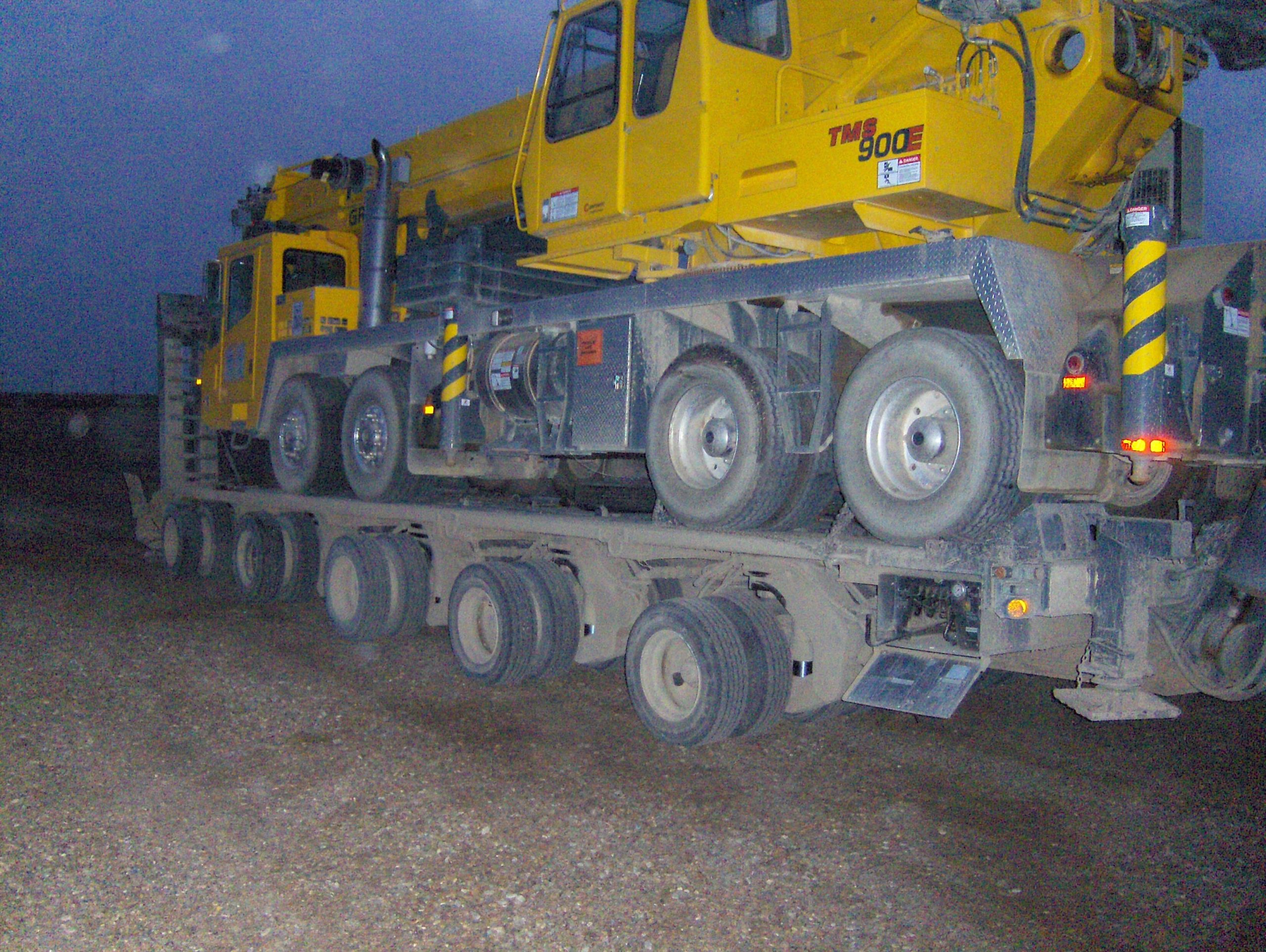
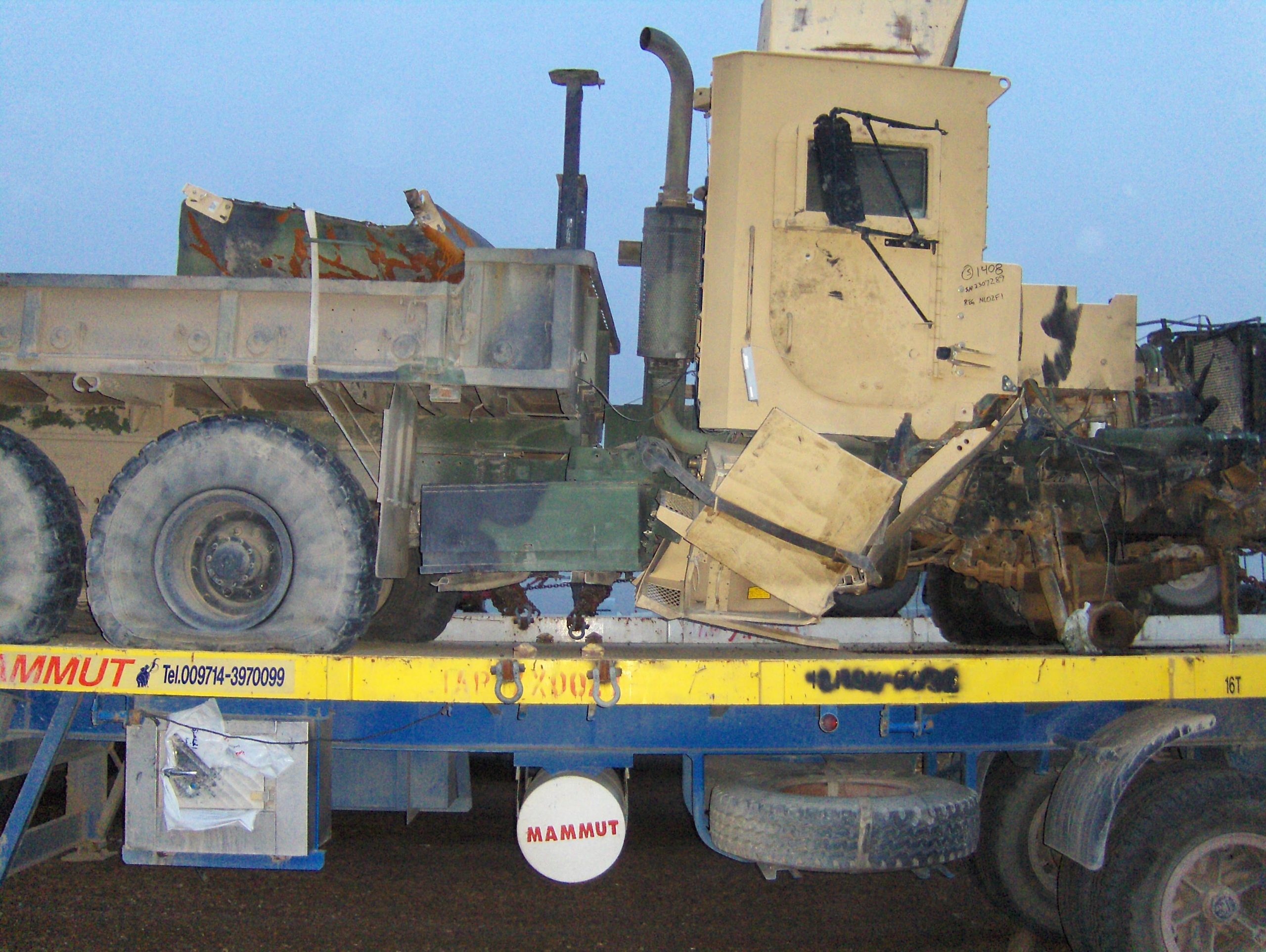
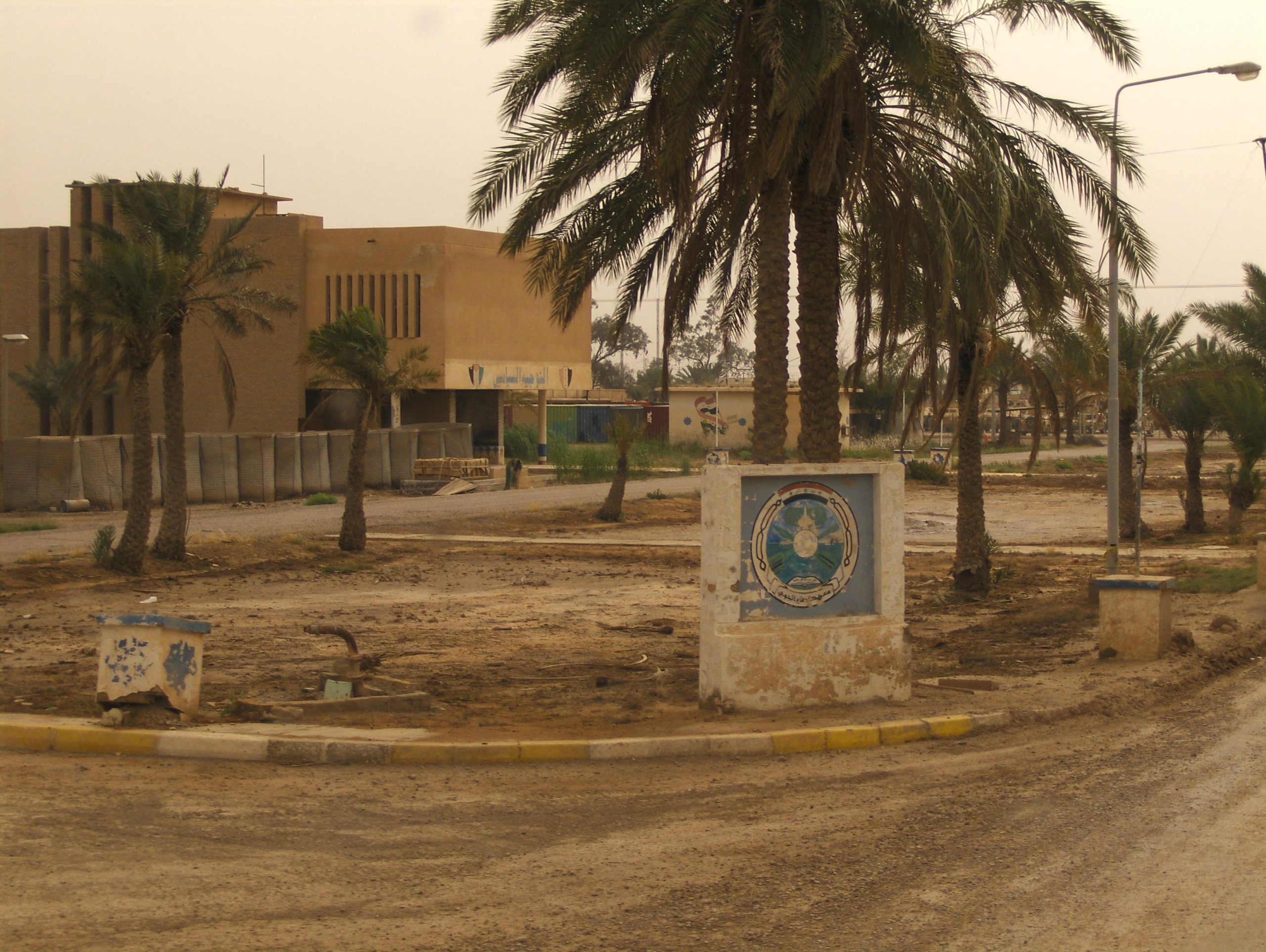
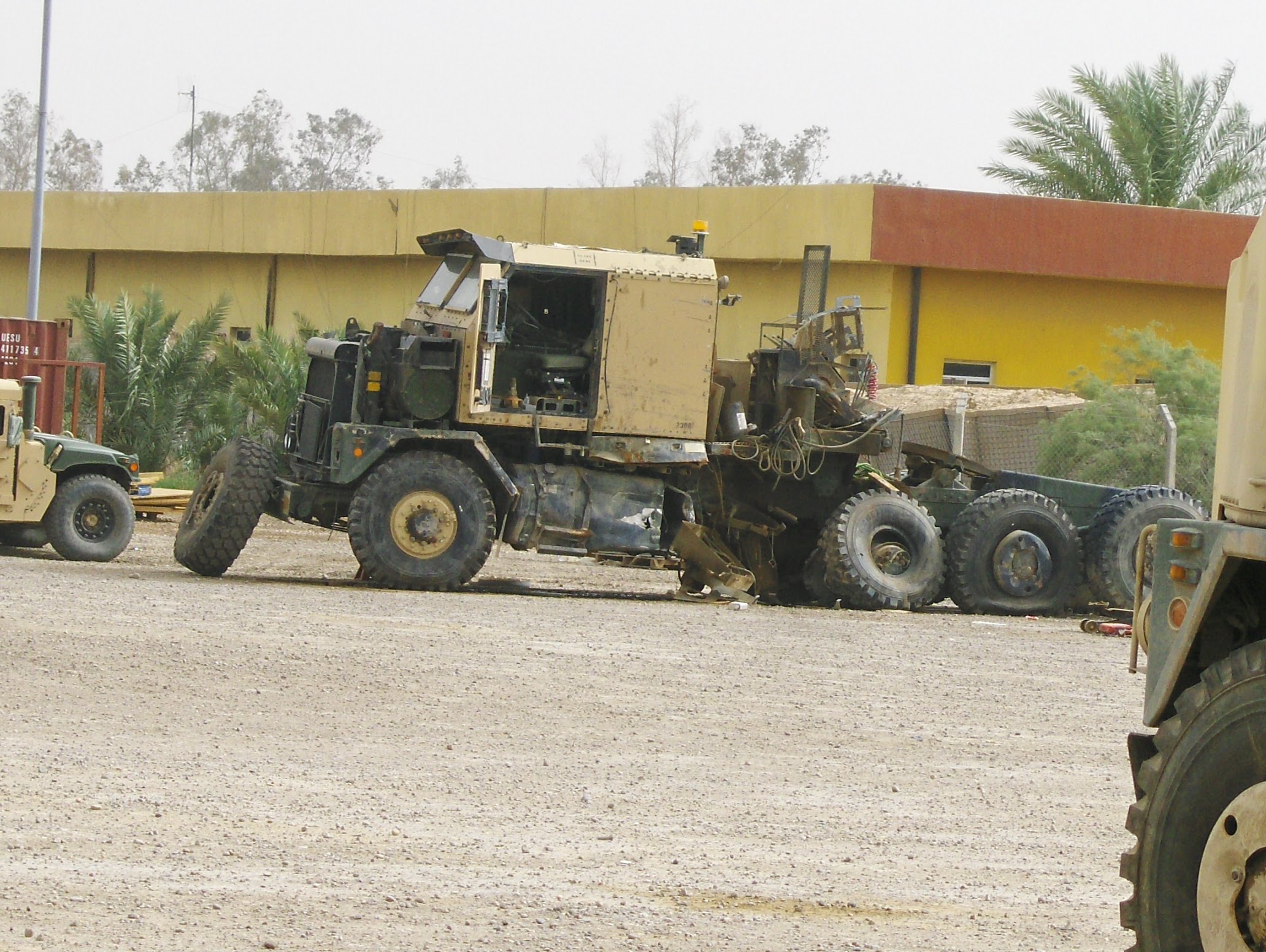
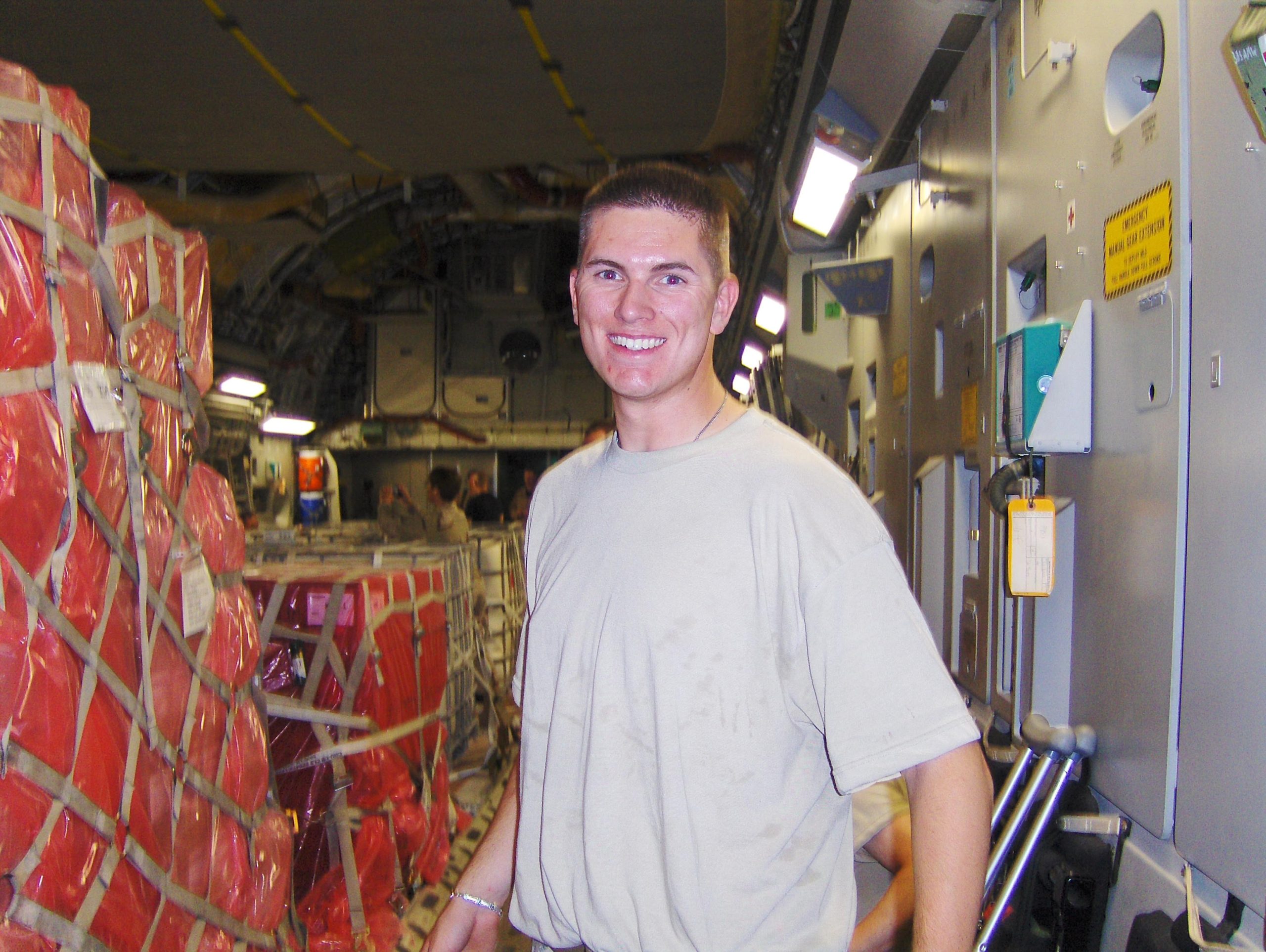
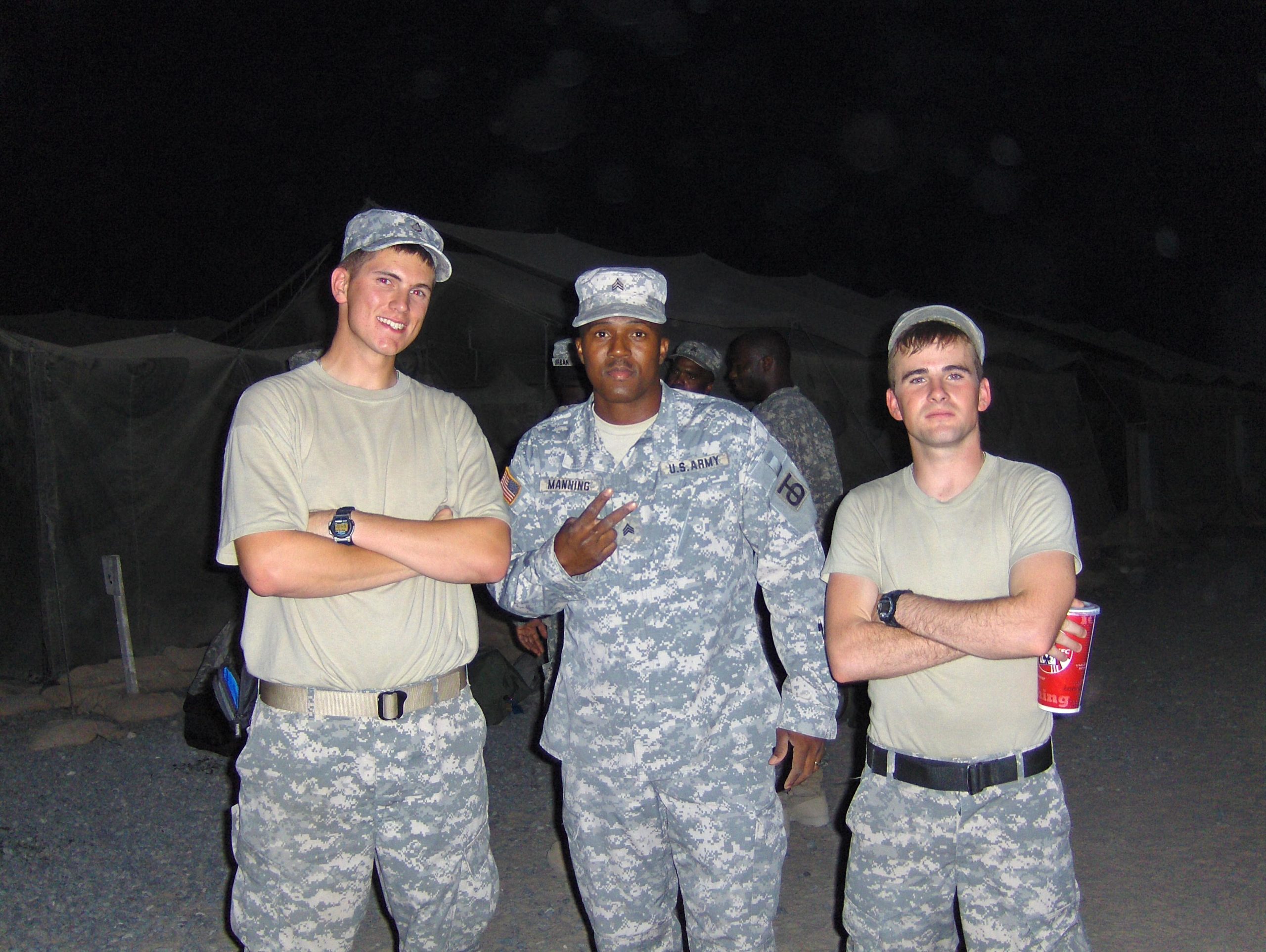
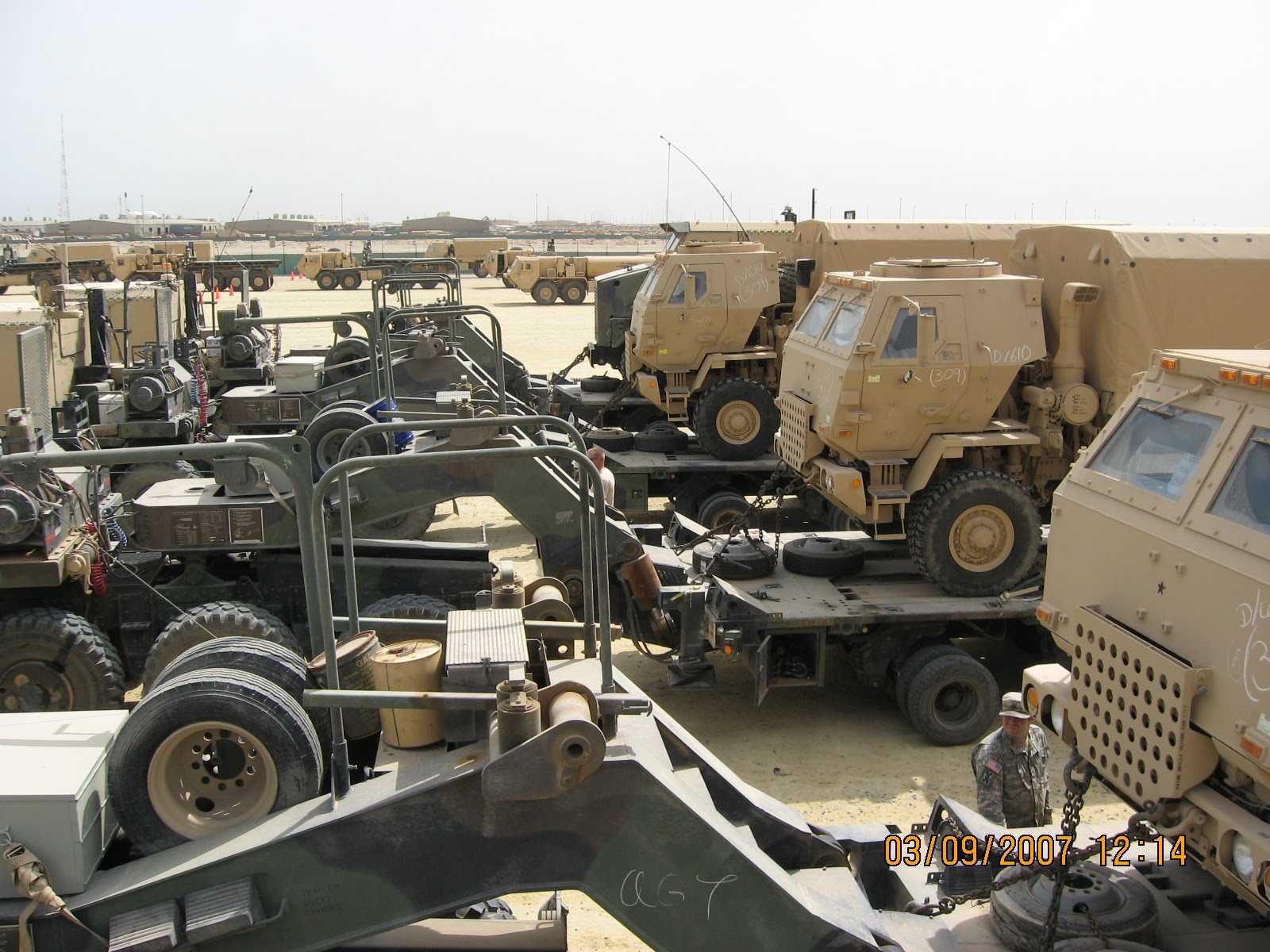
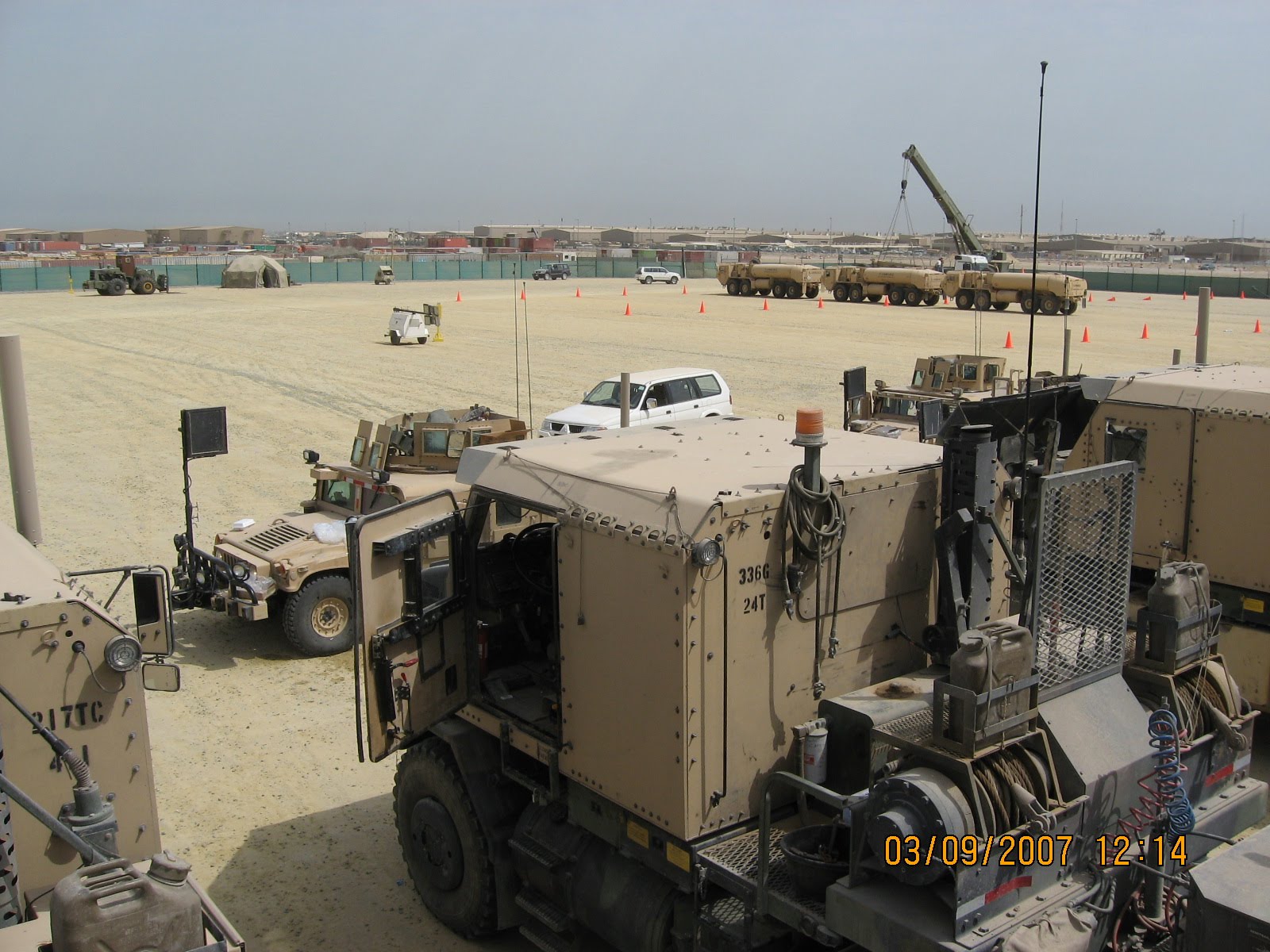
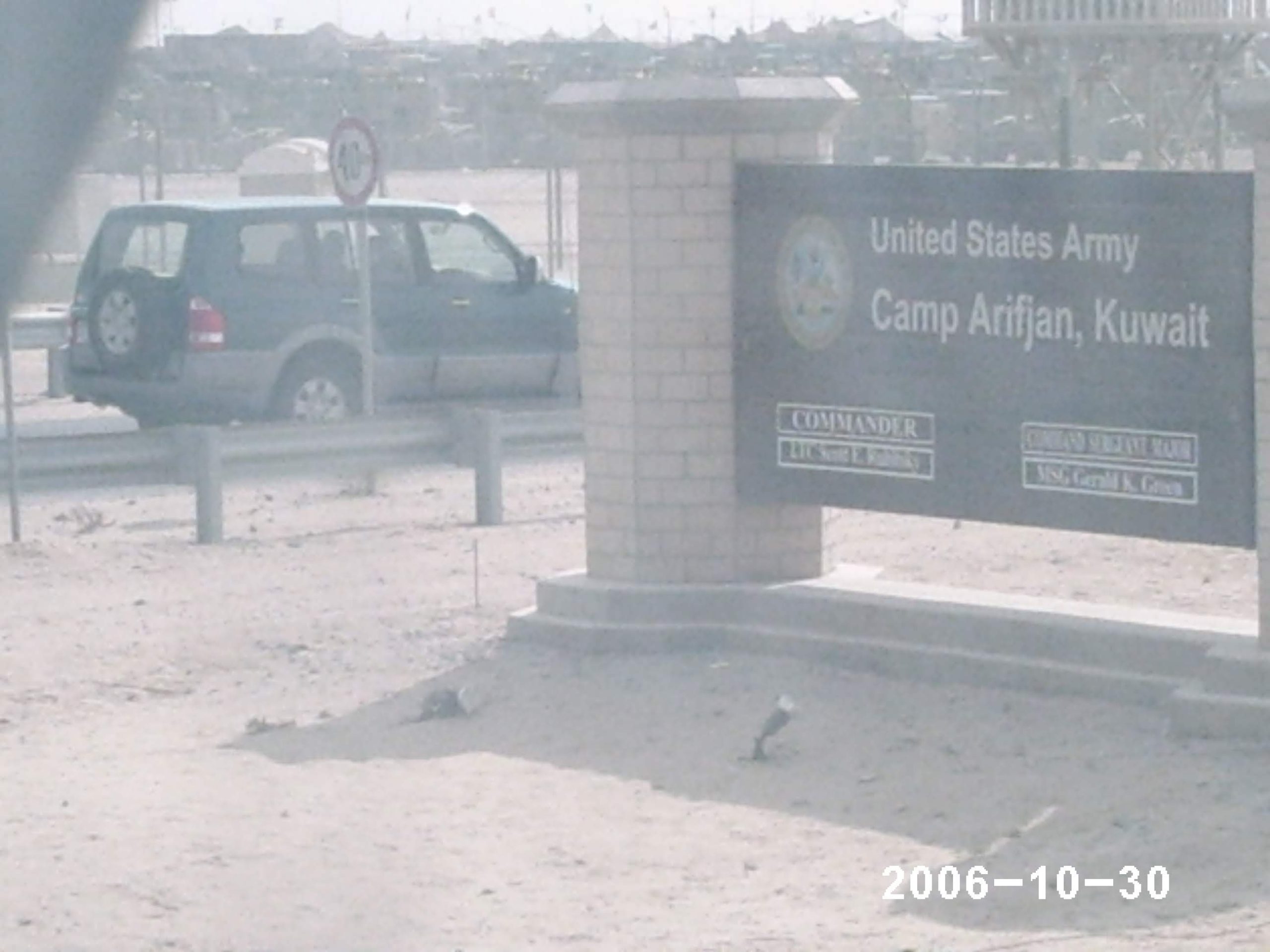
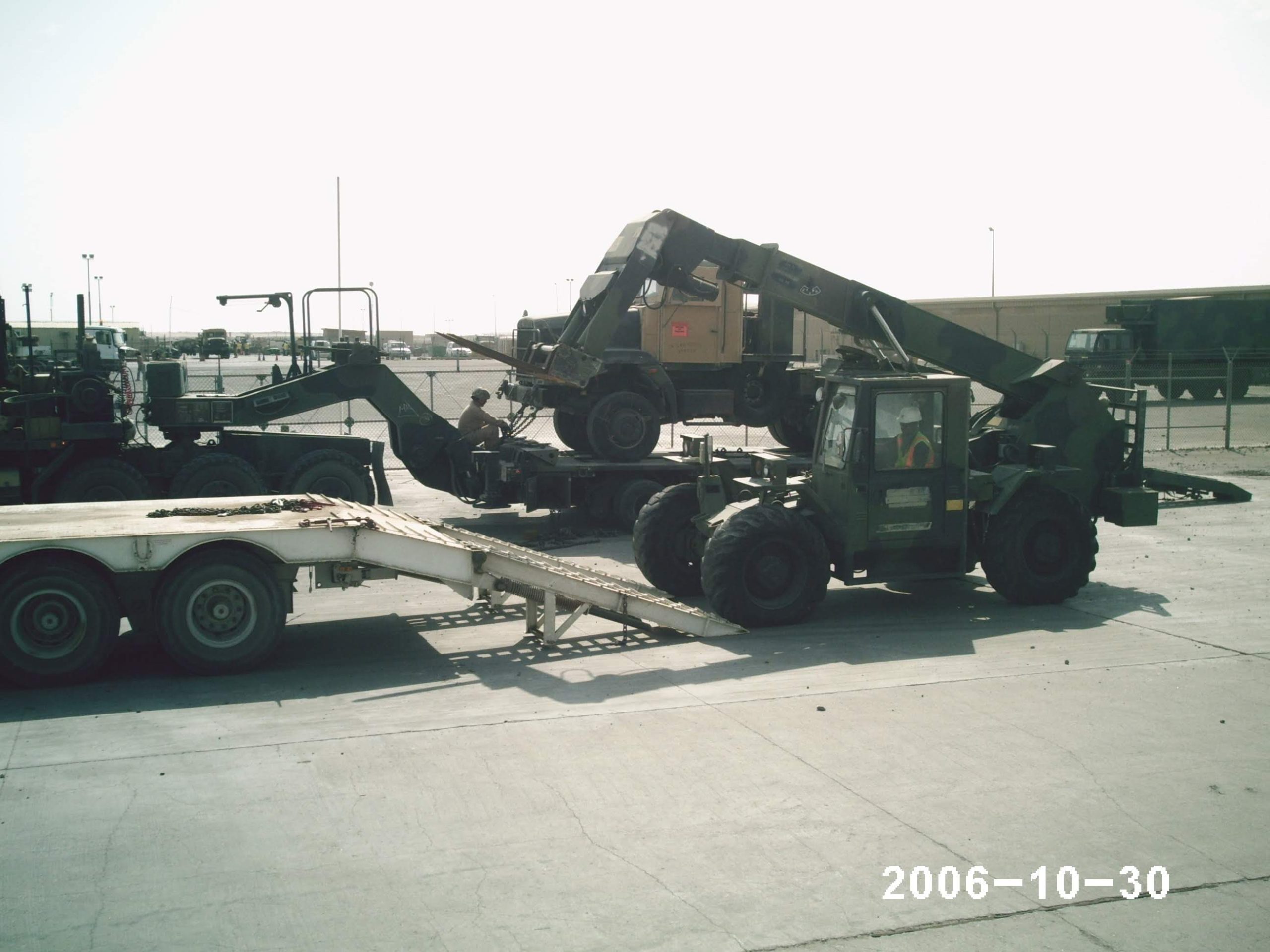
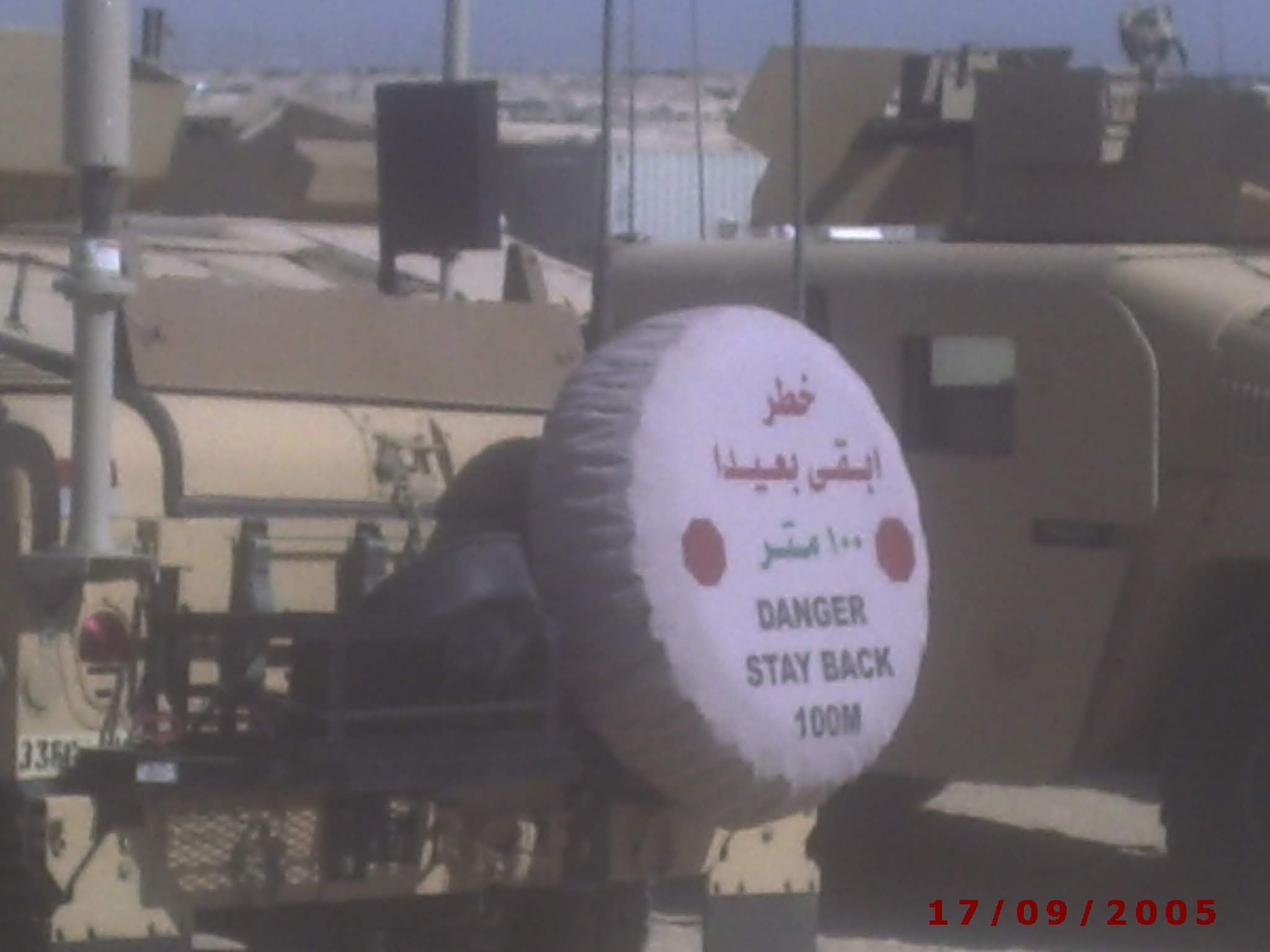
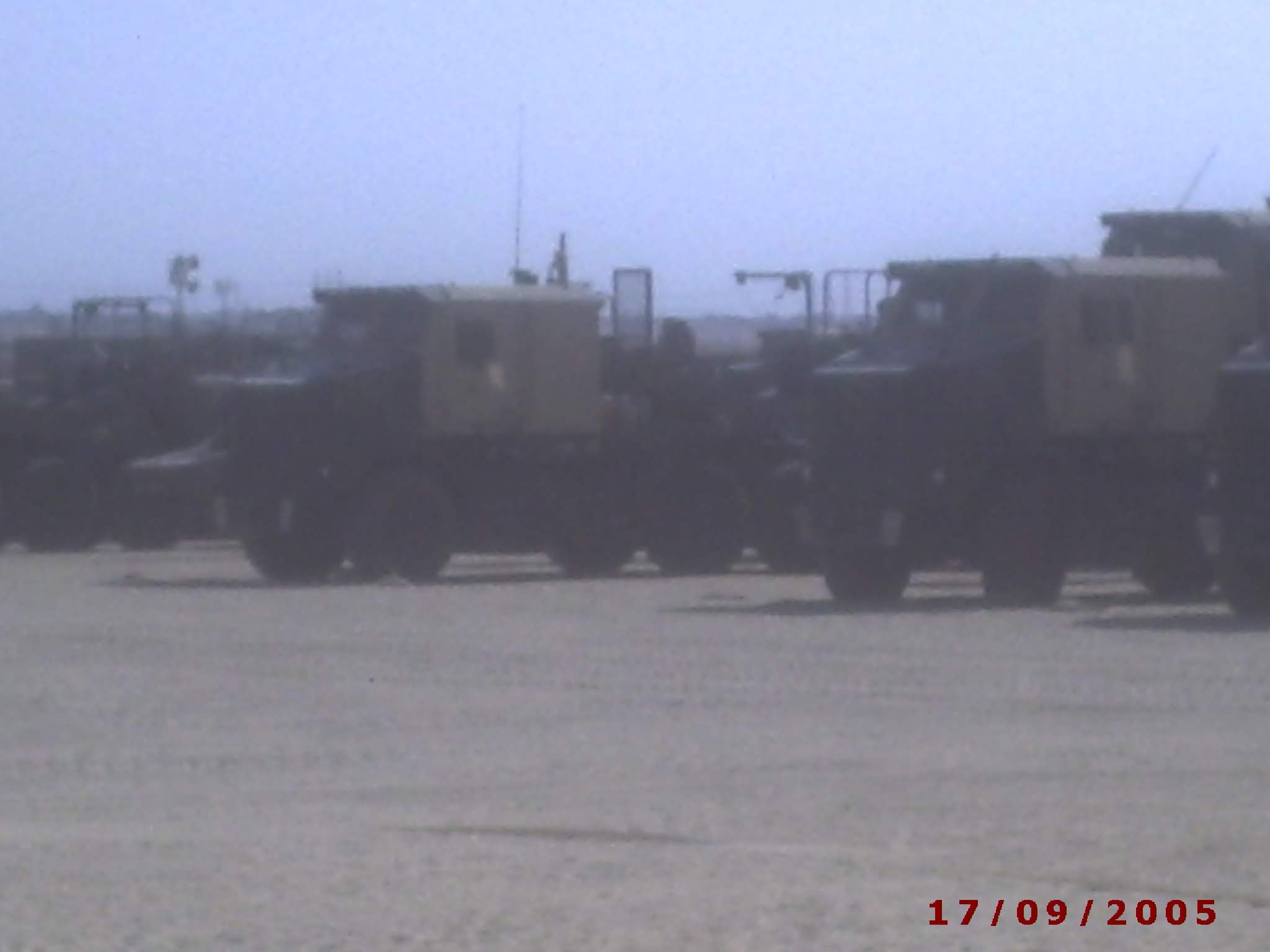
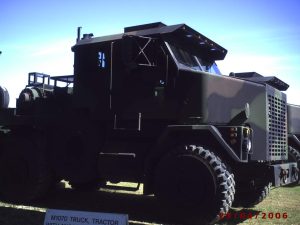
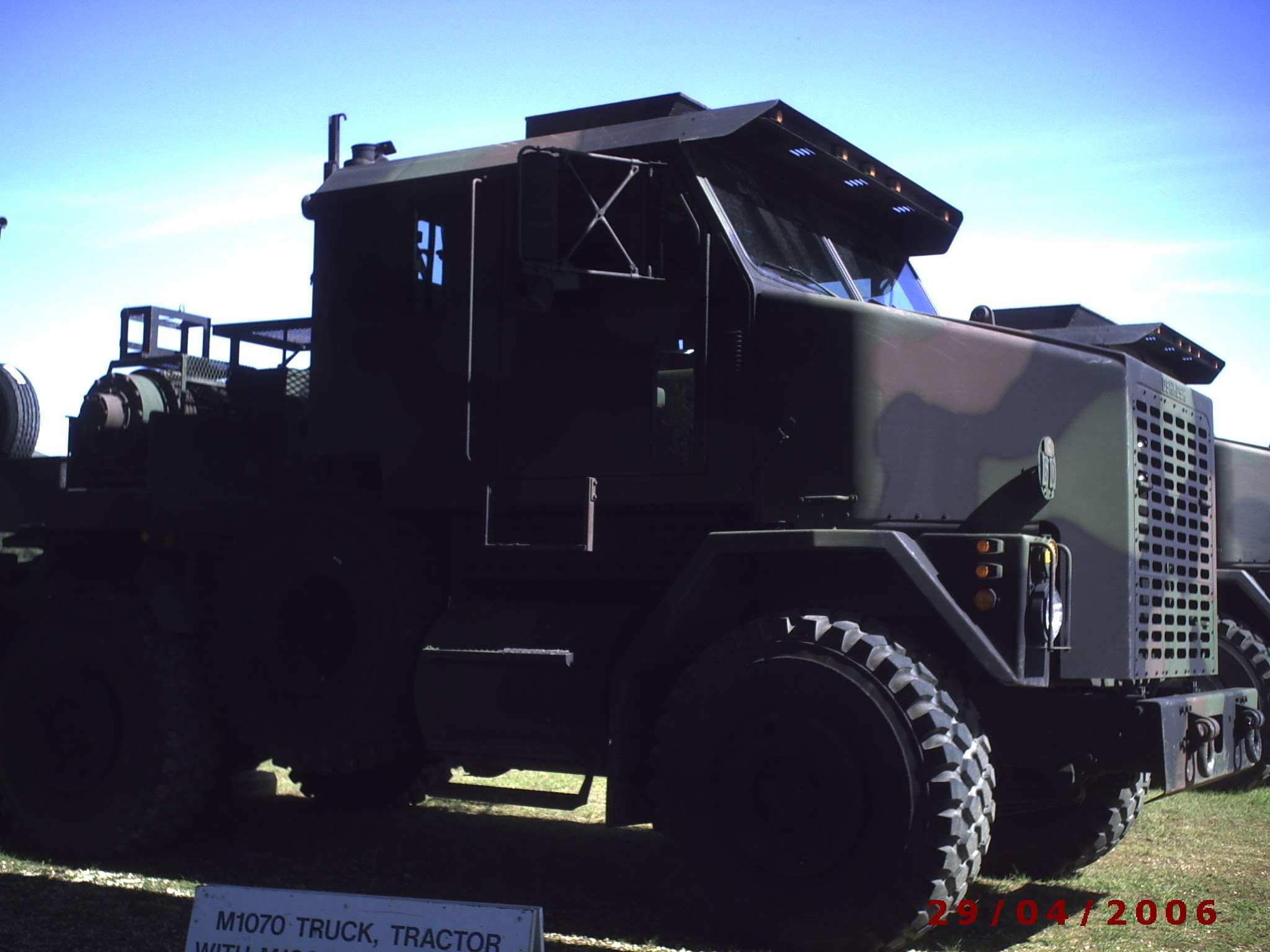
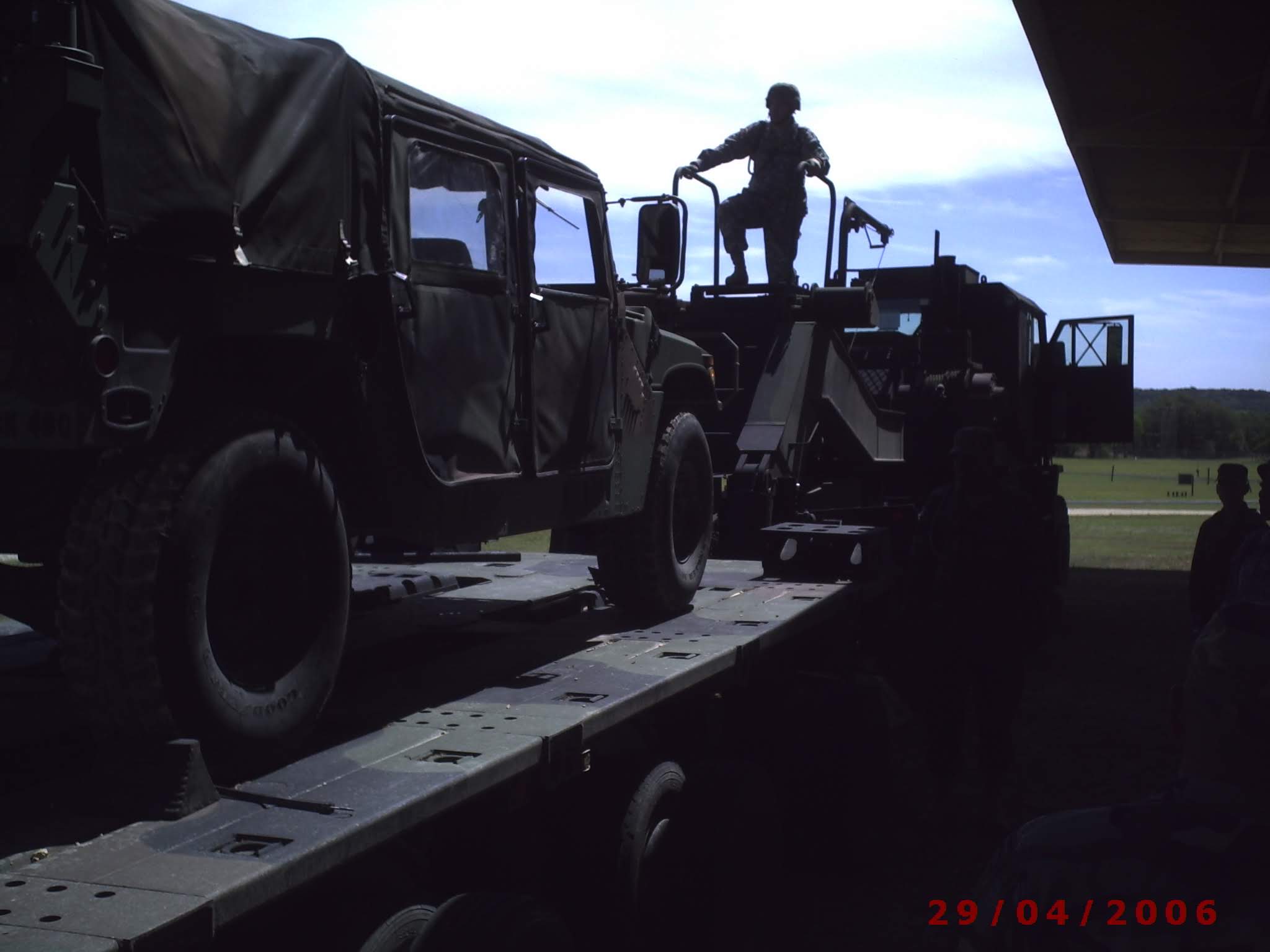
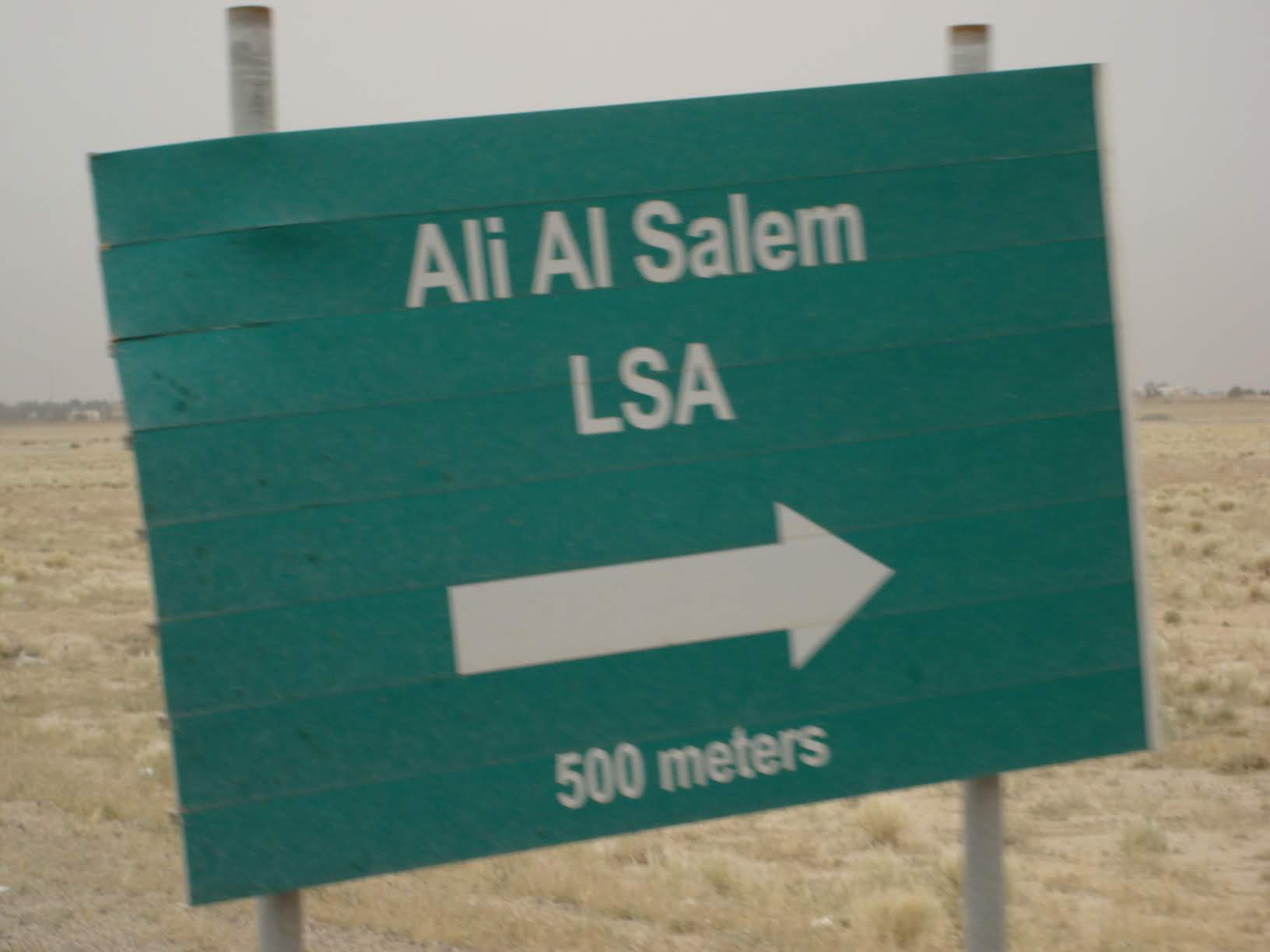
In April 2006, I deployed in support of Operation Iraqi Freedom during what proved to be one of the most dangerous windows of the conflict. Operating heavy transport vehicles (specifically the Oshkosh M1070 Heavy Equipment Transporter [HET] system, designed to move 70-ton M1 Abrams main battle tanks) placed our units directly in the crosshairs of constant insurgent activity and roadside IEDs along hostile supply corridors.
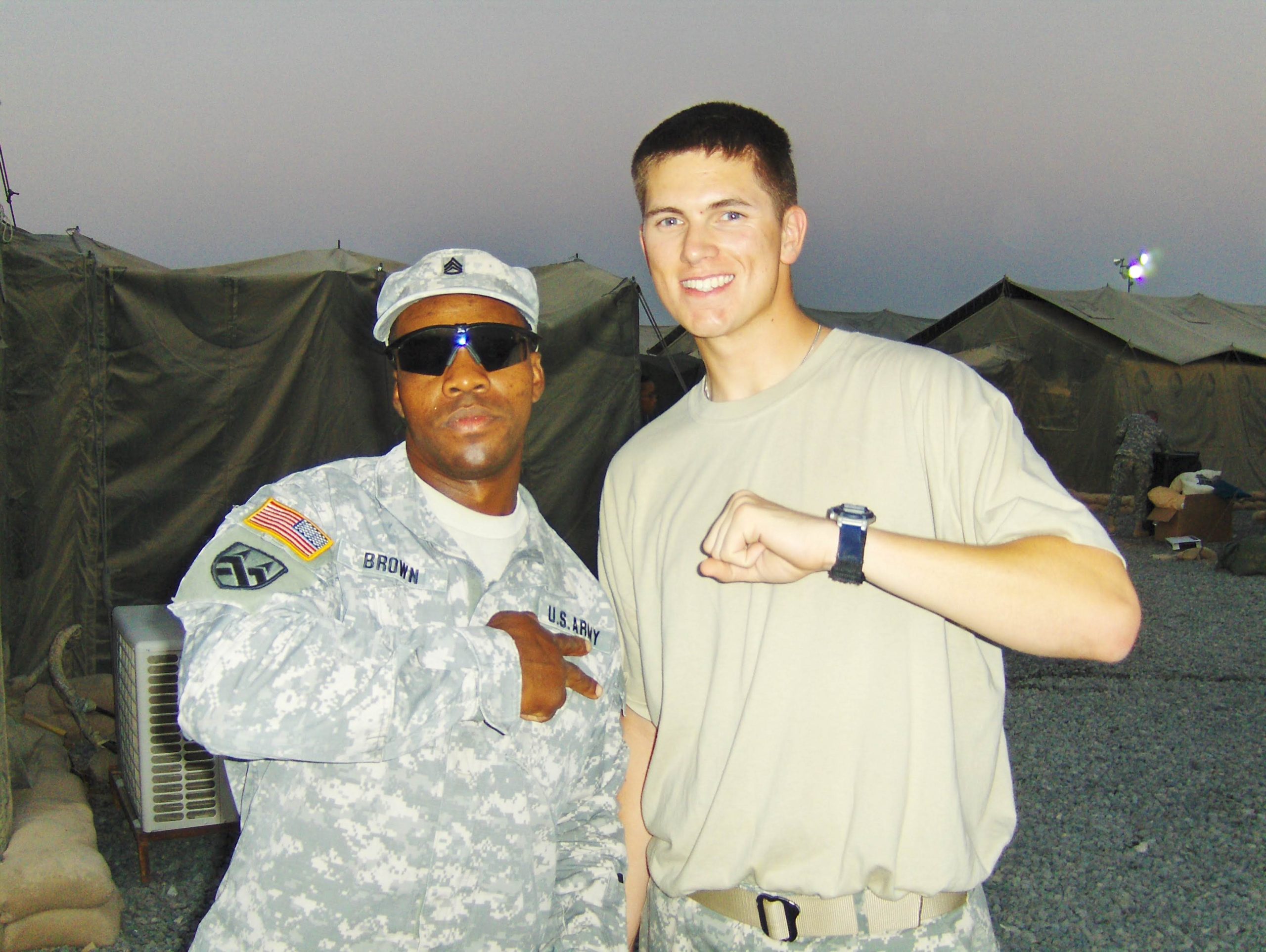
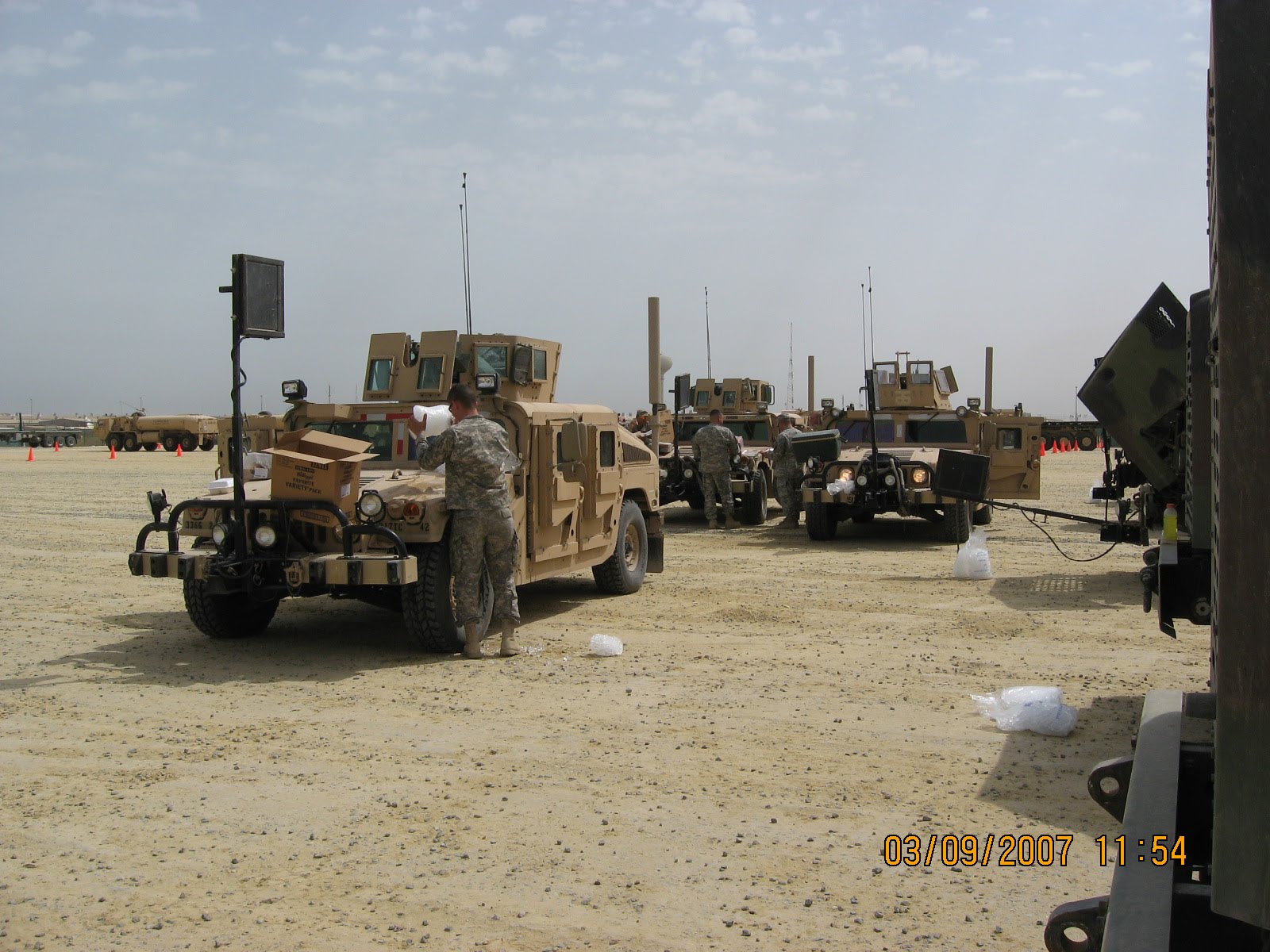
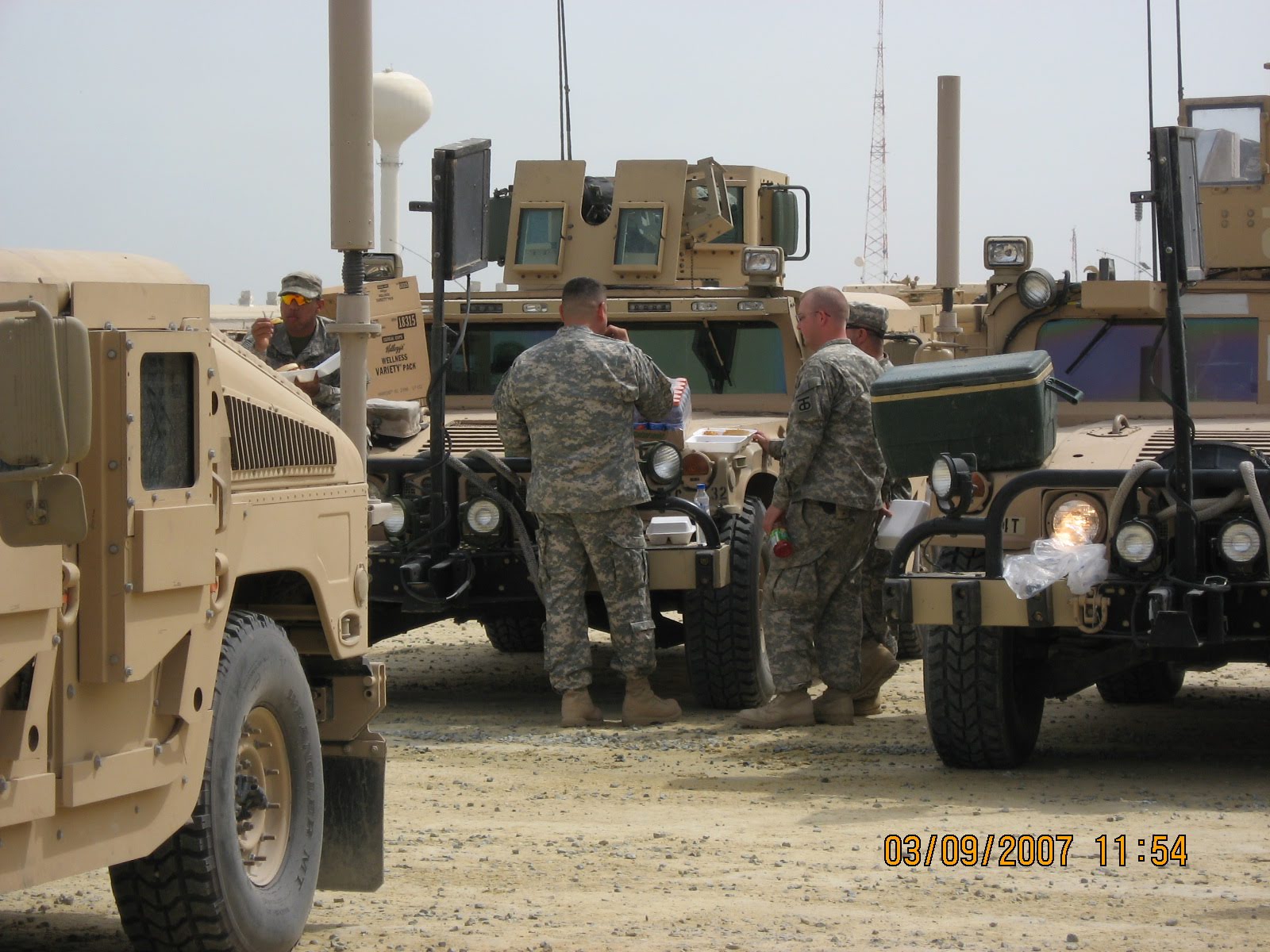
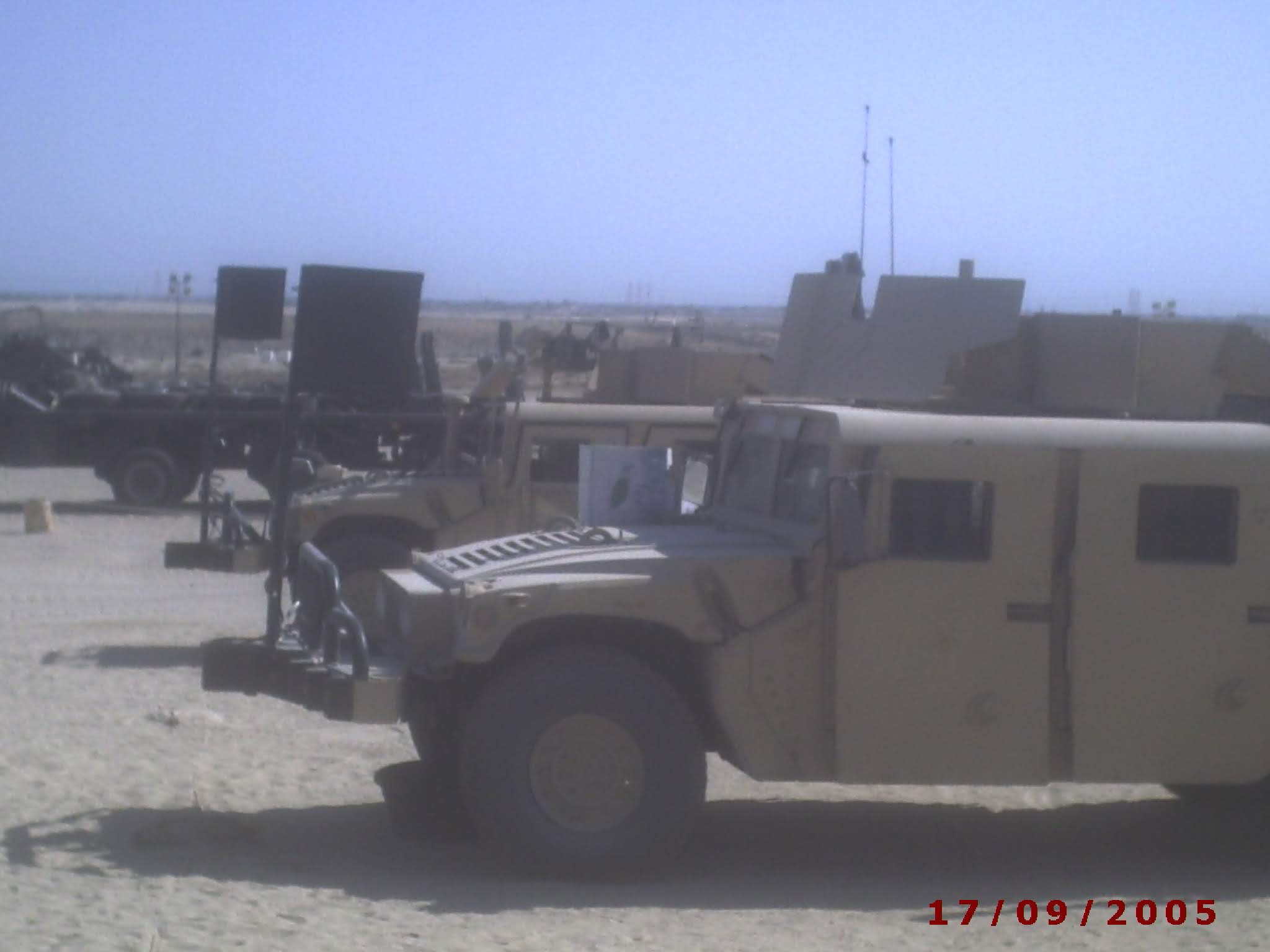
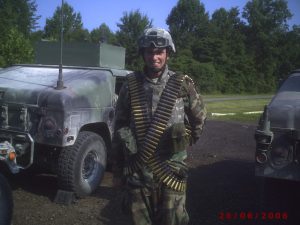
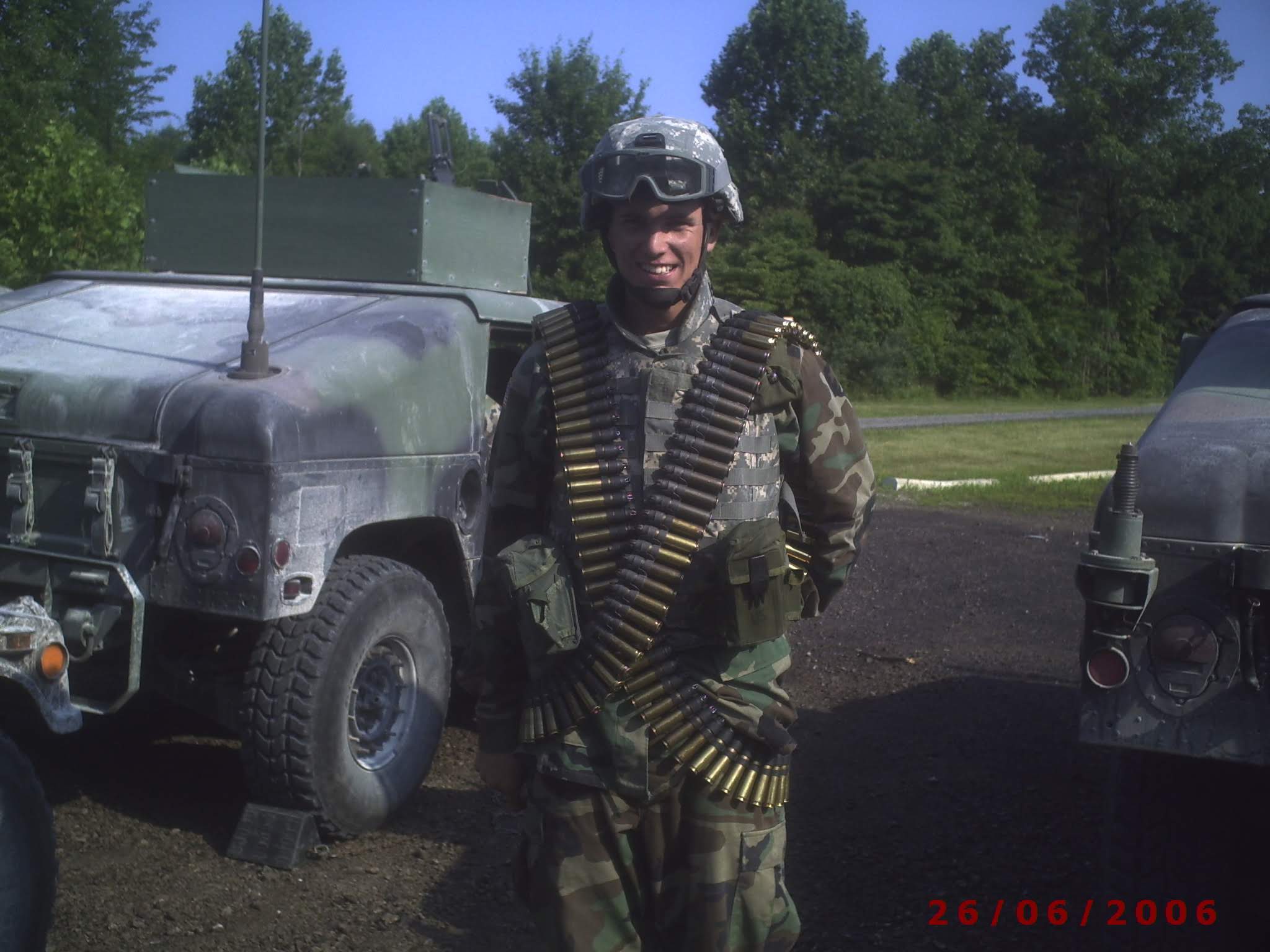
In addition to hauling equipment, I served as a gun truck operator on our convoy security escort teams. Operating an up-armored Humvee mounted with a .50 caliber heavy machine gun, our squad’s primary mission was active defense. We would shield the convoy from coordinated ambushes and lay down suppressive fire following IED strikes and small-arms fire so the convoy could break contact and maneuver out of the hot zone. Whether driving the Army’s heaviest machinery or manning the security escort protecting it, the mission required split-second decision-making under direct threat.
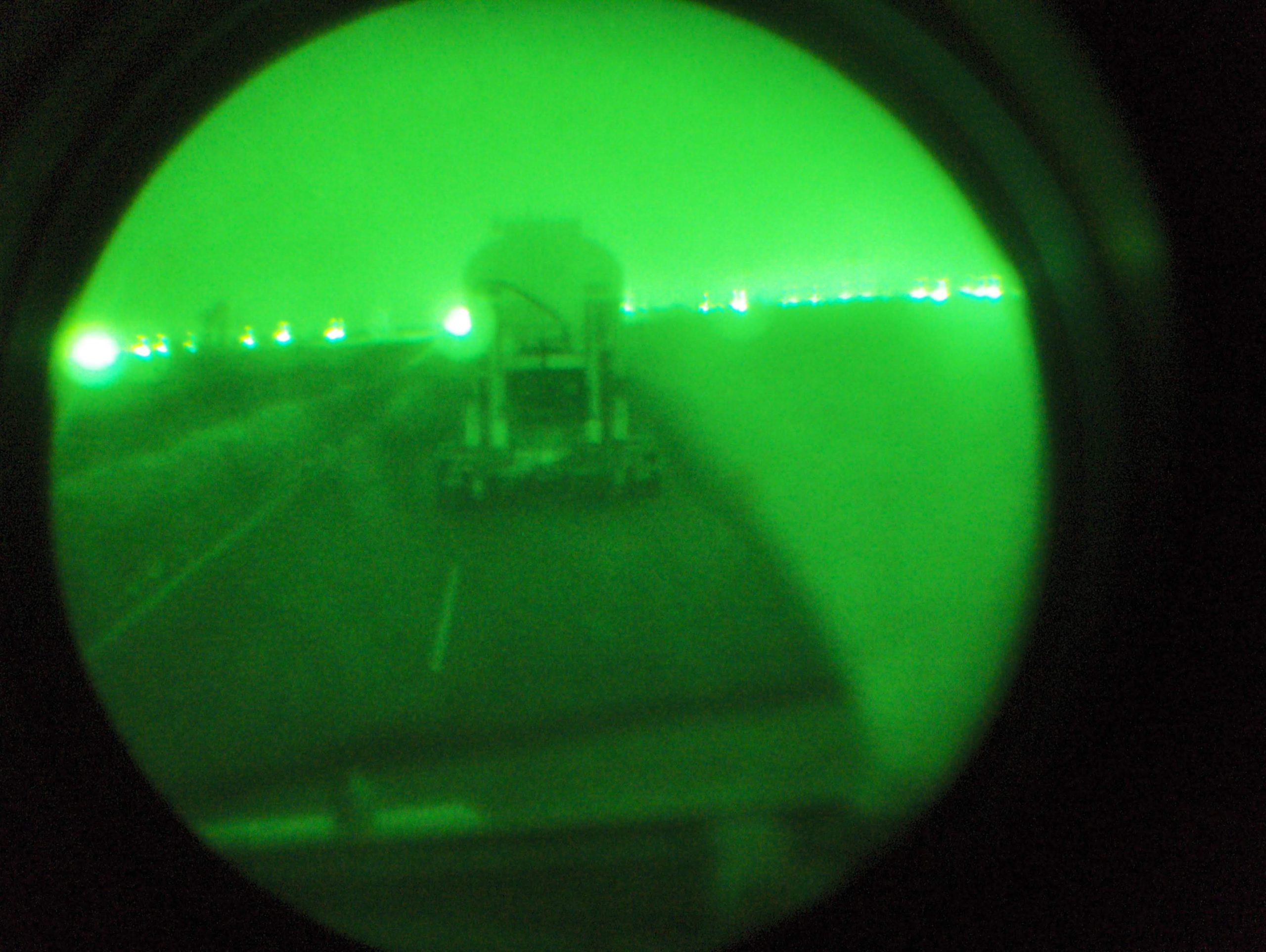
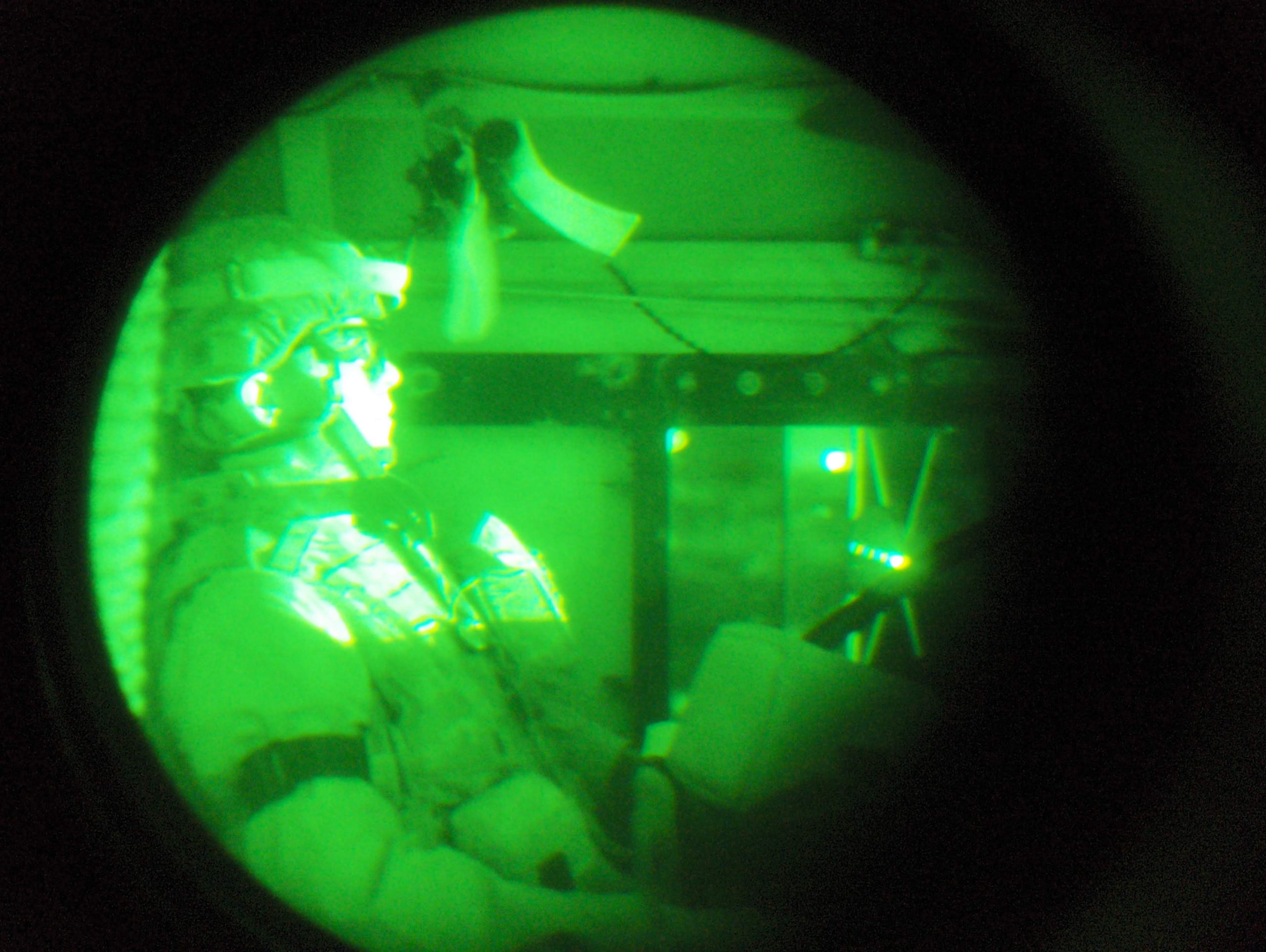
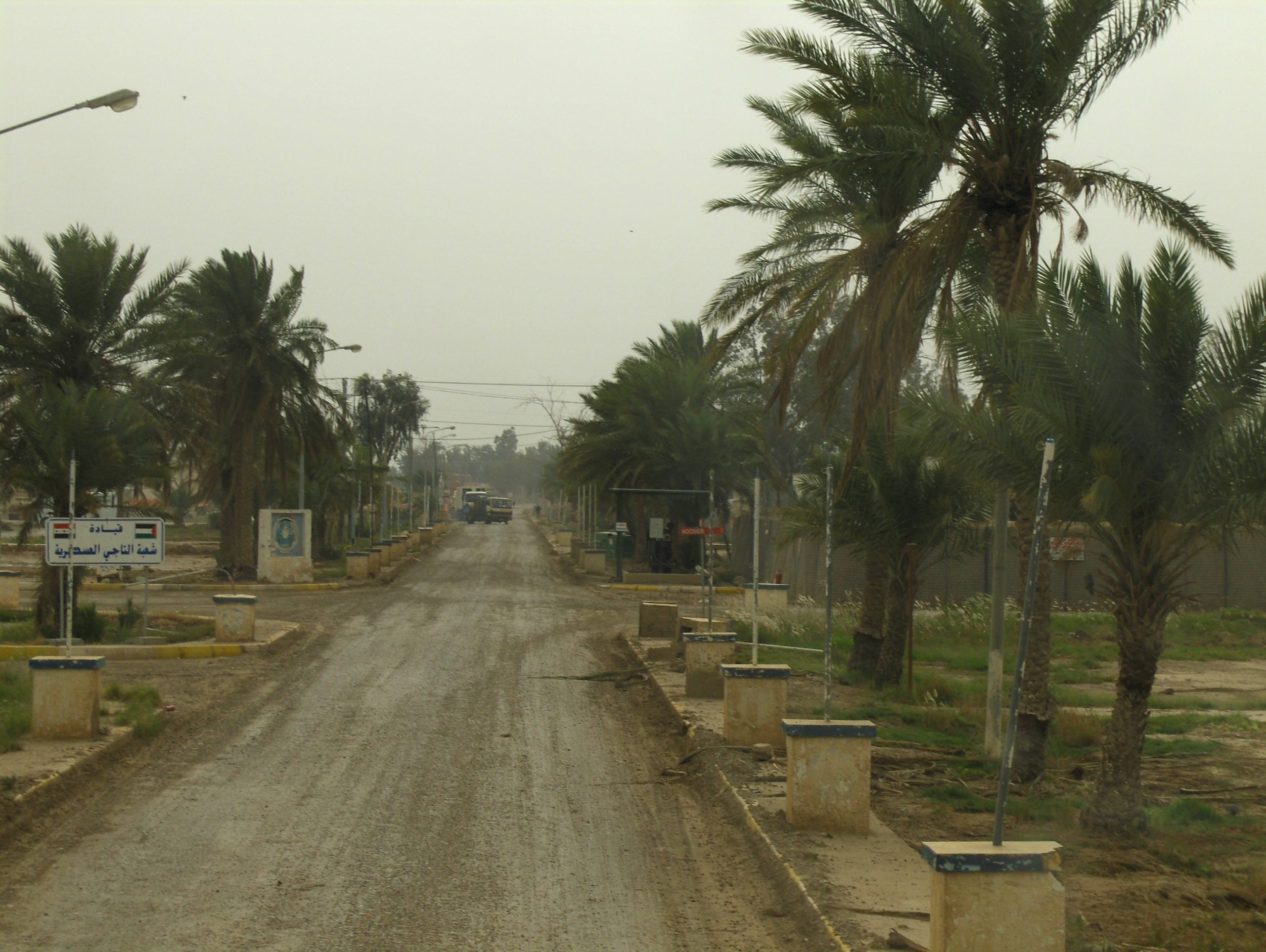
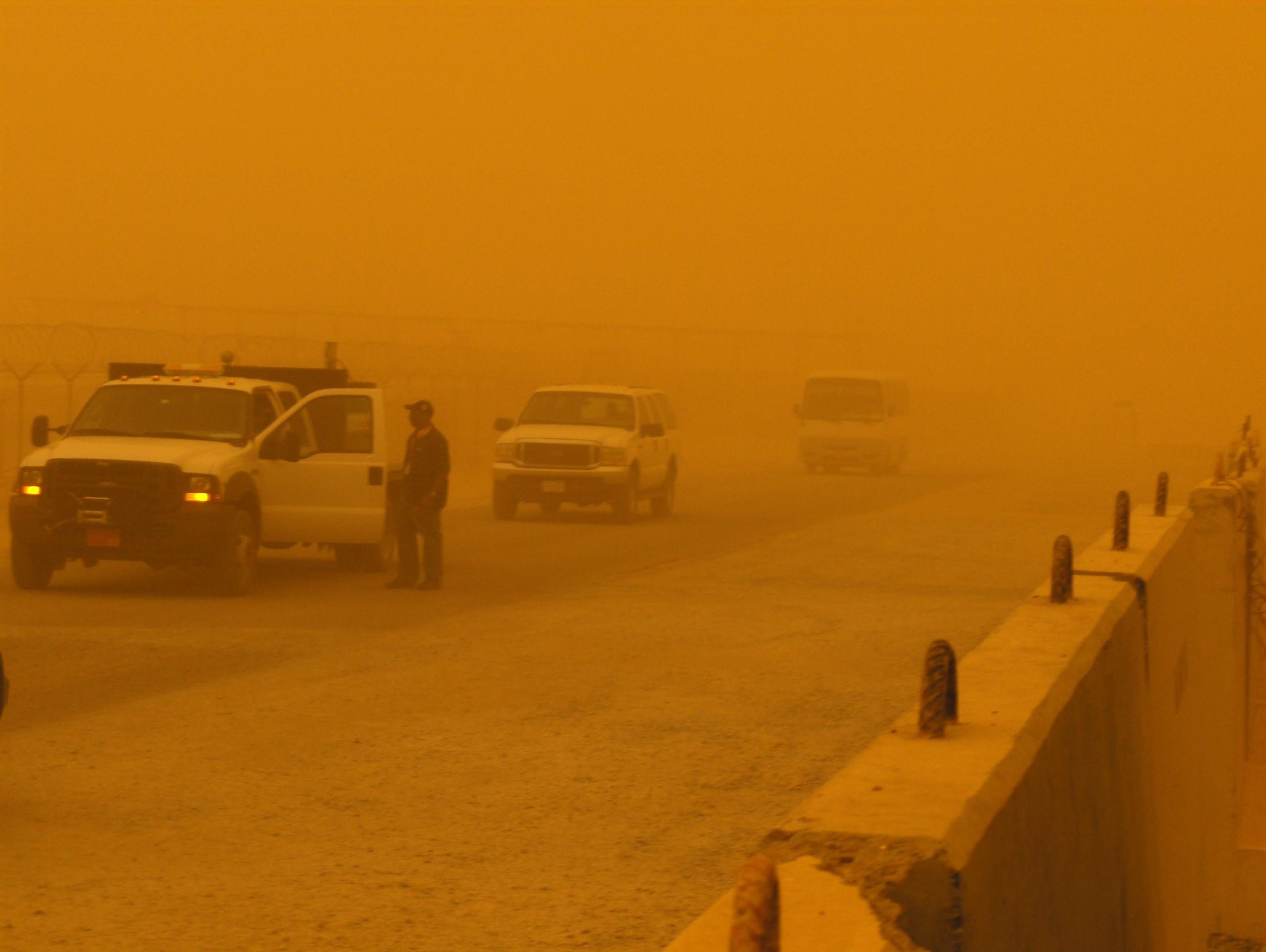
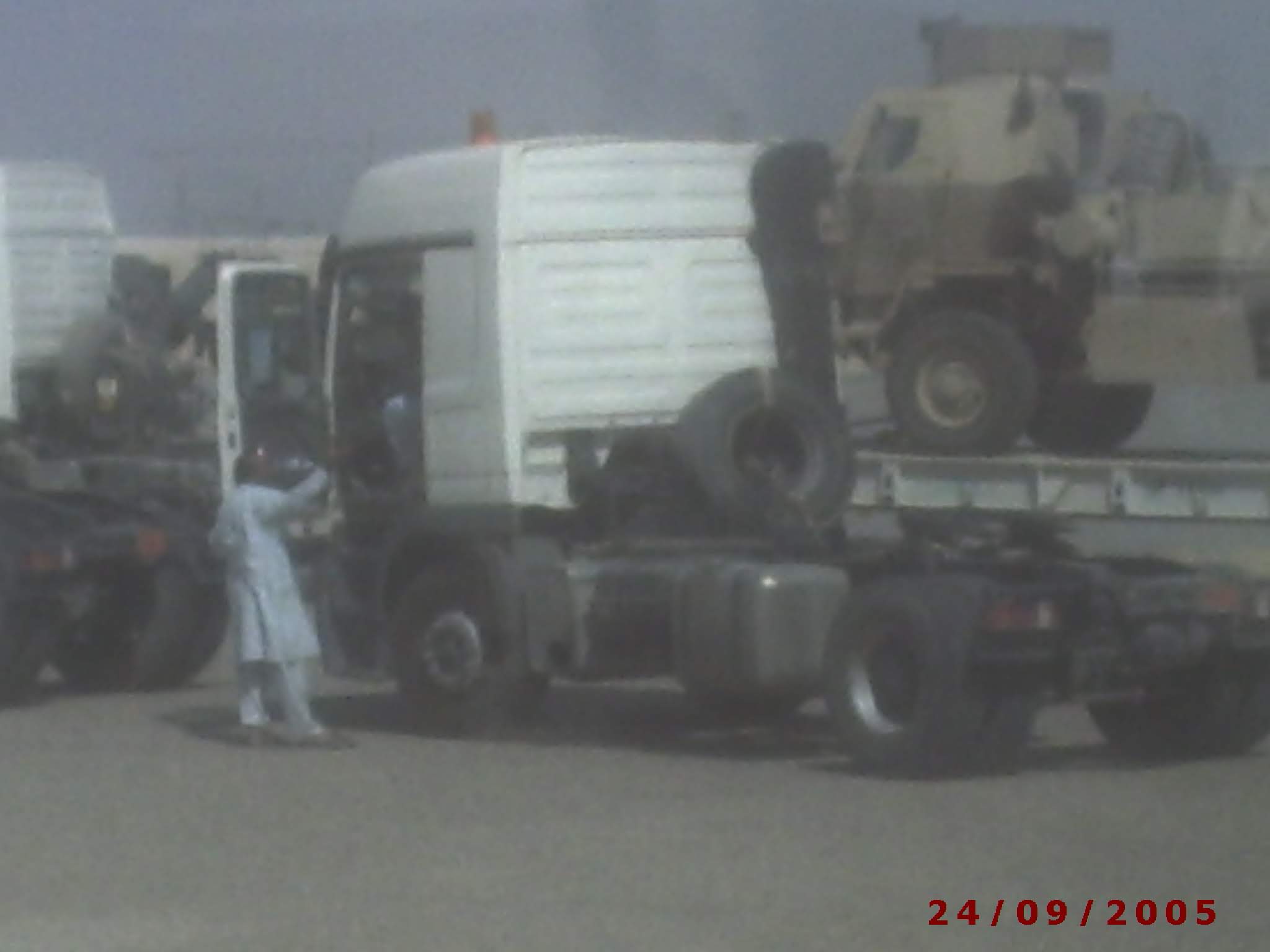
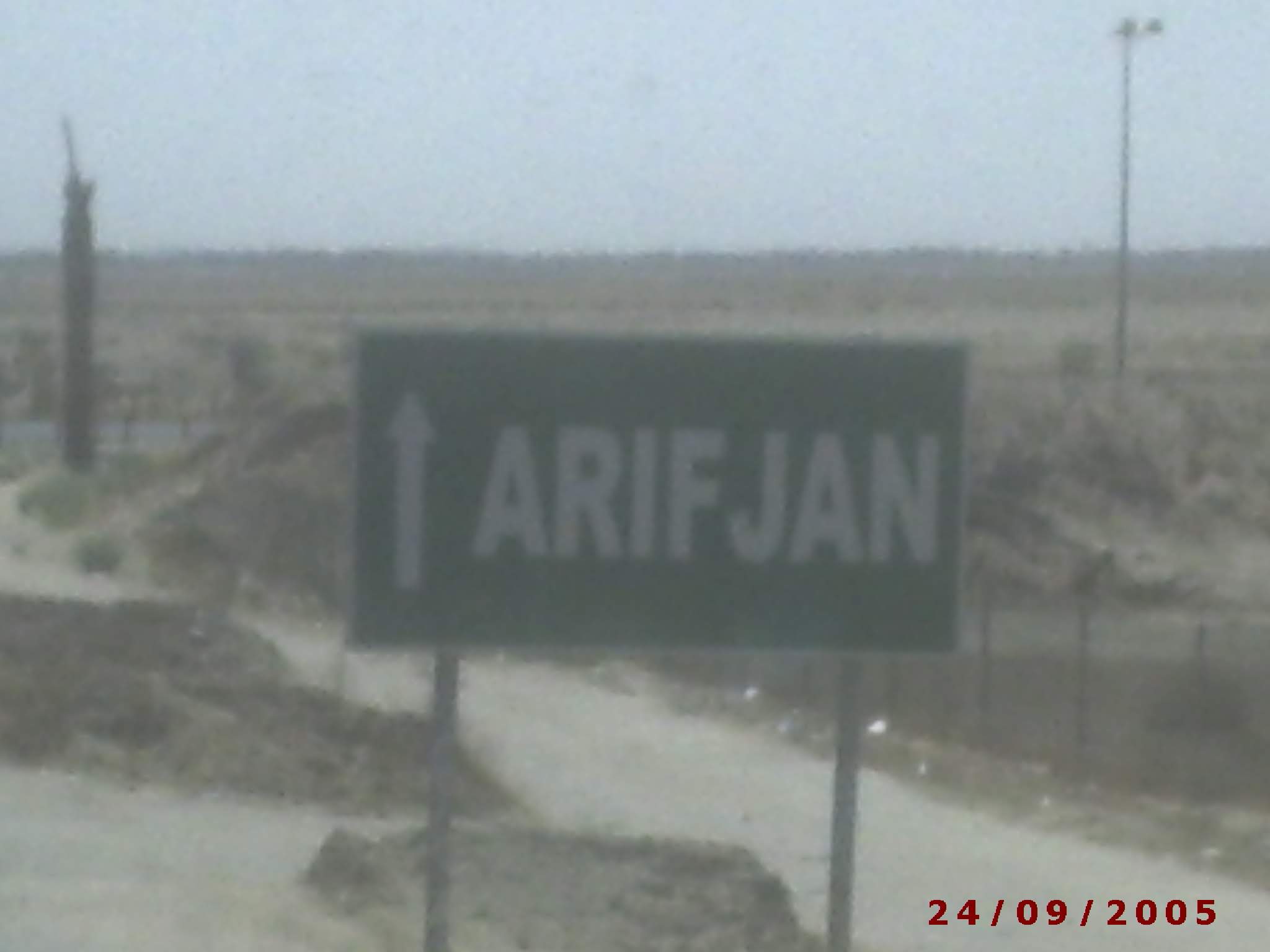
Throughout that combat tour, I logged over 12,000 miles across 14 high-risk Combat Logistics Patrols through heavily contested territory including Baghdad, Ramadi, Mosul, Tikrit, and Basrah. The vast majority of these missions were executed under absolute blackout conditions between 10:00 PM and 5:00 AM. Beyond driving, I was entrusted as the primary liaison between our military unit and the 20 or so third-country national civilian drivers who integrated into our convoys. Bridging operational, logistical, and cultural divides under combat conditions required steady peacekeeping, clear communication, and empathetic leadership.
ACCOUNTABILITY UNDER PRESSURE
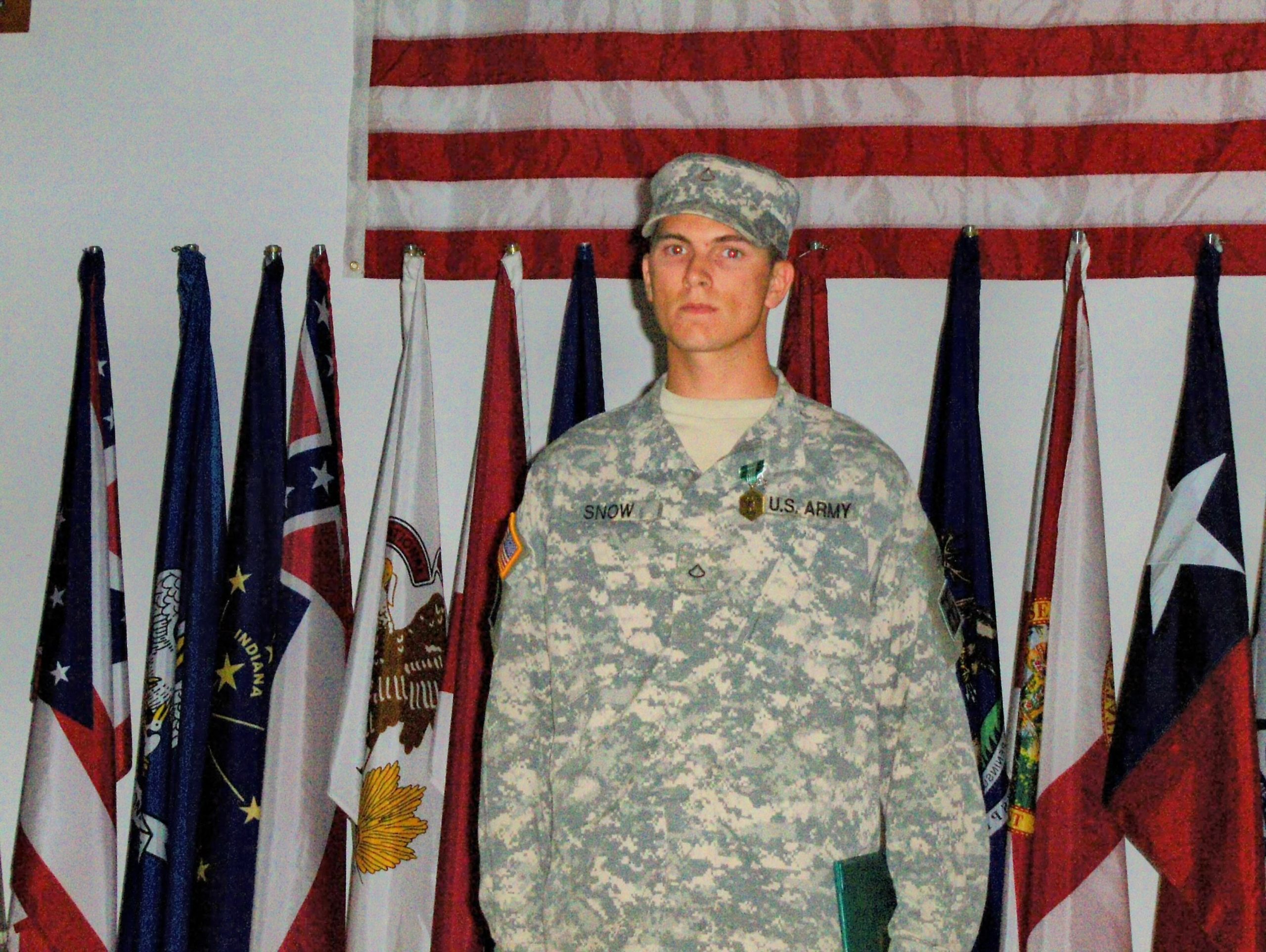
For these efforts, I was awarded the Army Commendation Medal.
The award recognized achievements that reflect how I will govern our city:
High-Risk Mission Execution:
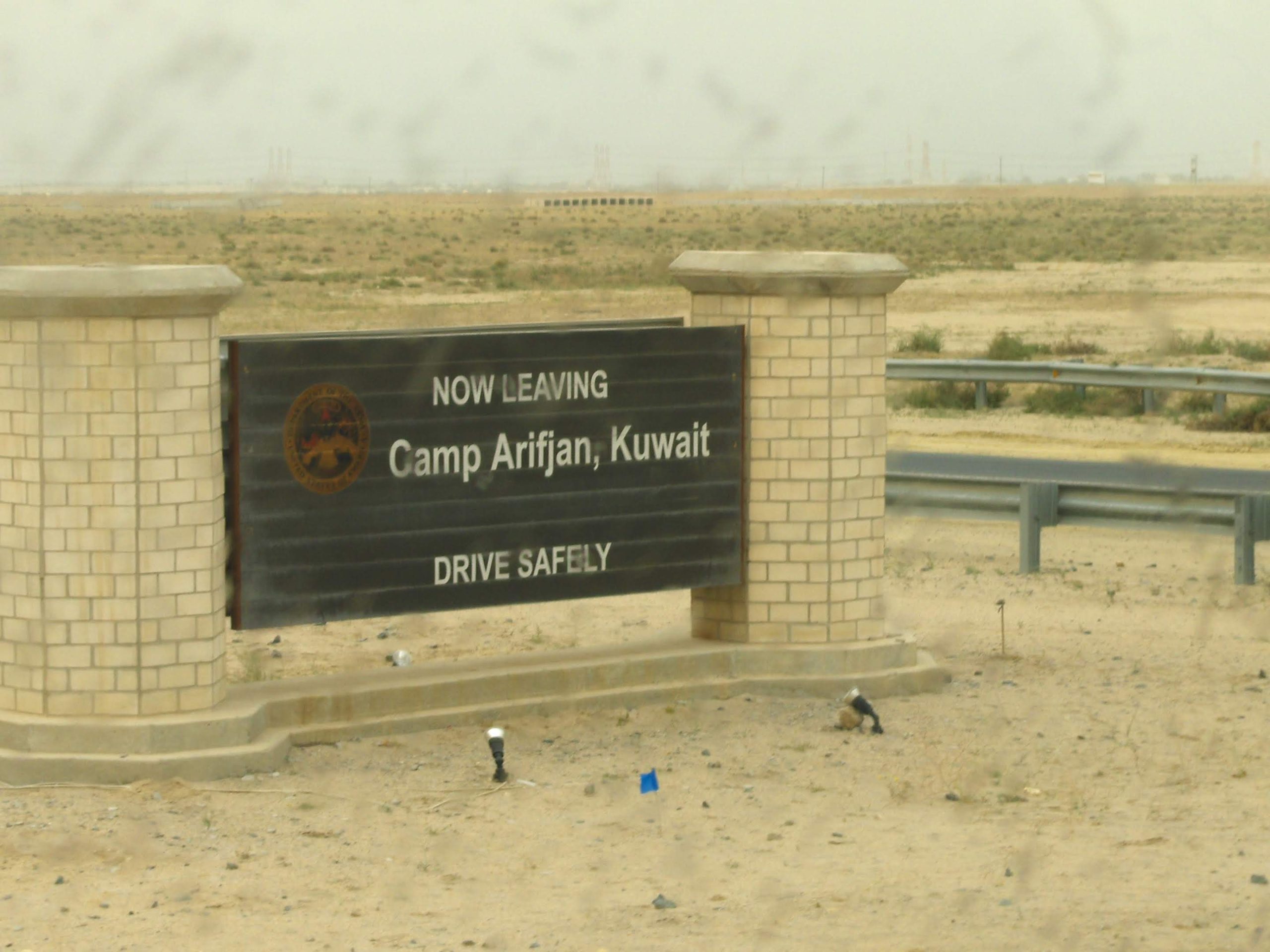
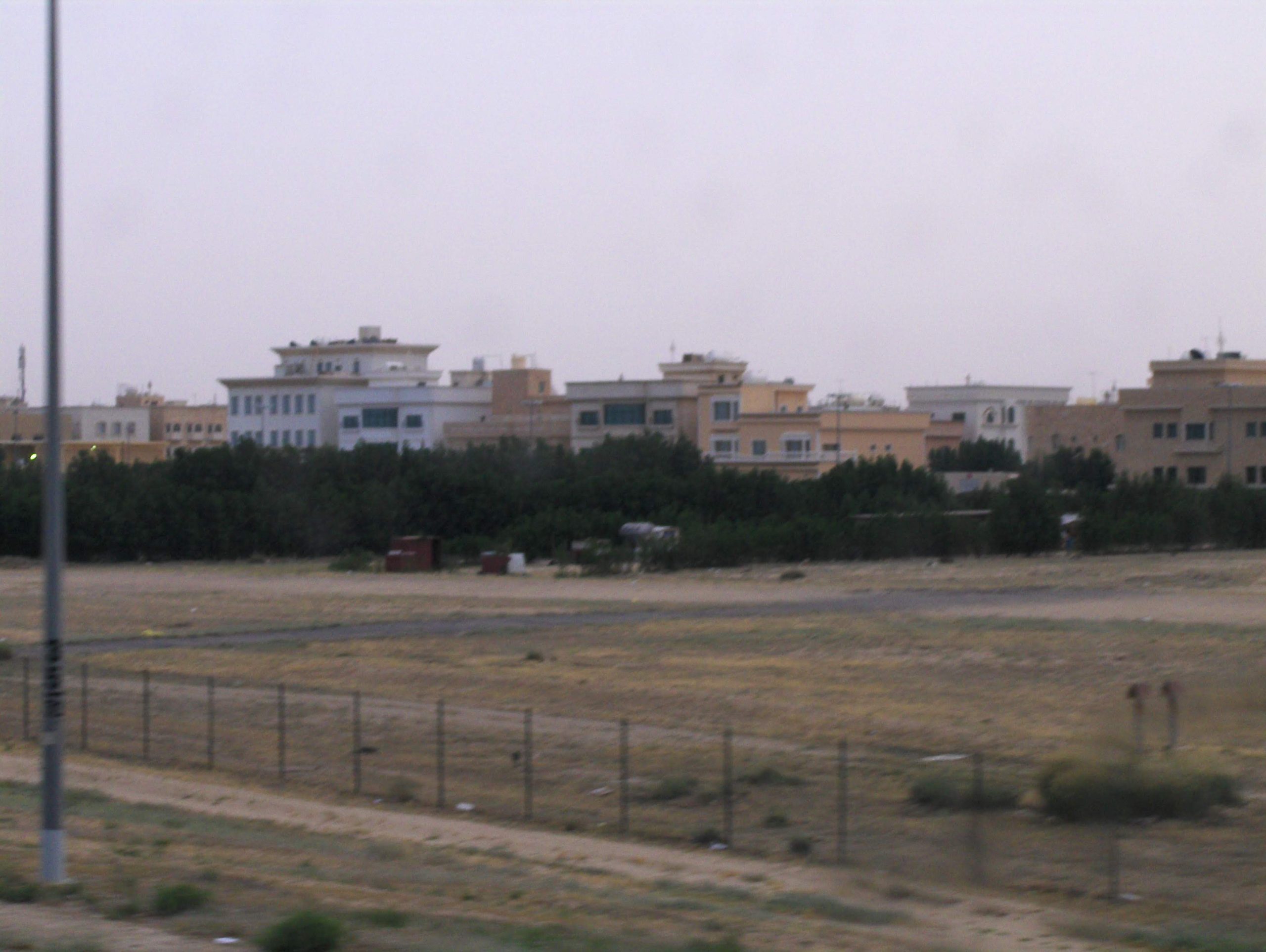
Executing 14 Combat Logistics Patrols (CLPs) covering over 12,000 miles across Iraq and Kuwait with zero accidents and zero loss or damage to cargo/equipment.
Tactical & Technical Proficiency:
Spending after hours personal time mastering Iraqi route maps, the Movement Tracking System (MTS), and Single Channel Ground and Airborne Radio Systems (SINCGARS) to ensure safe navigation across primary and alternate supply routes.
Equipment Readiness:
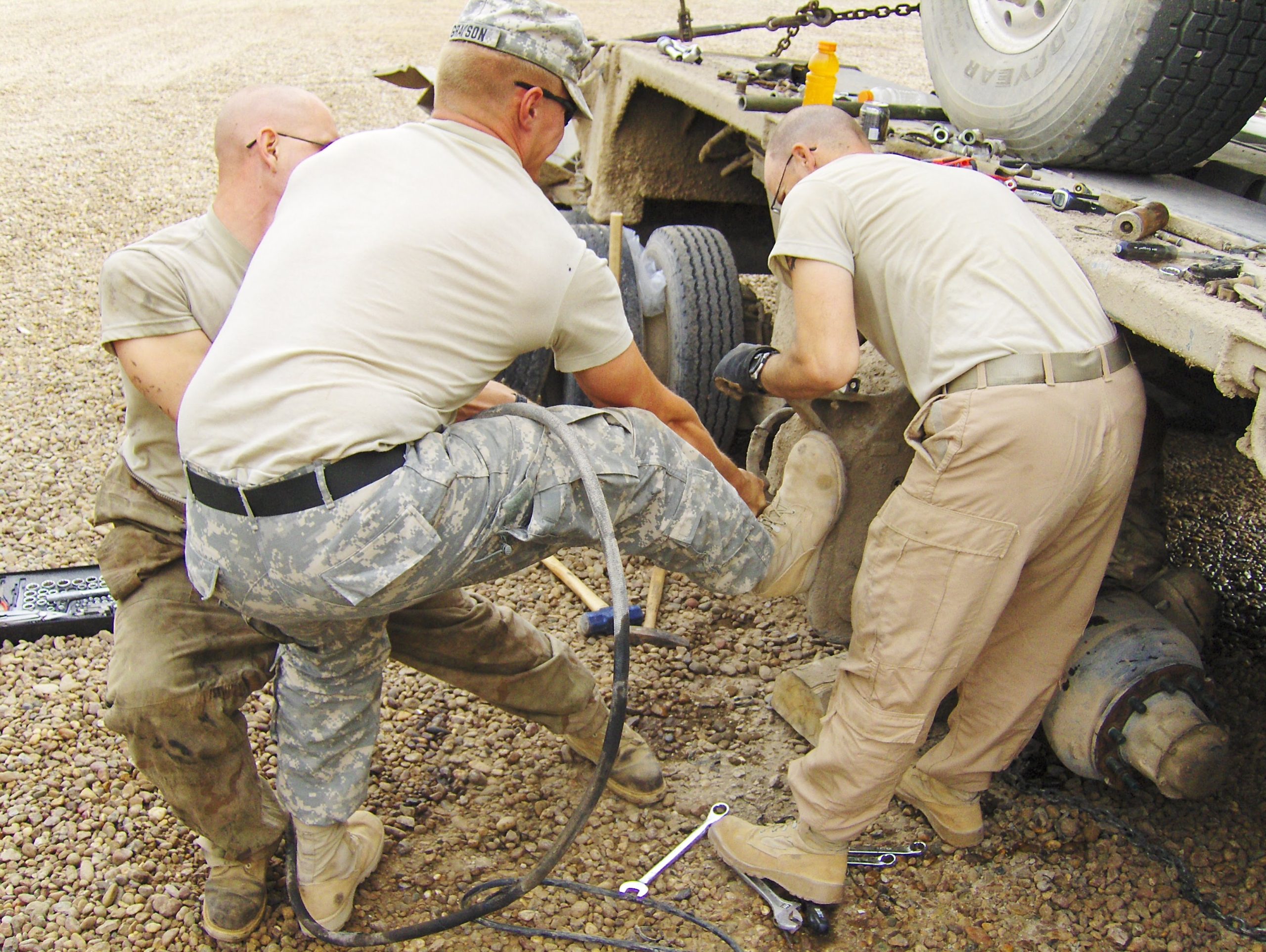
Conducting very meticulous Preventive Maintenance Checks and Services (PMCS) on the HET system, maintaining an operational readiness rate of 95% or higher throughout the combat deployment.
Maintenance Leadership:
Demonstrating in-depth knowledge of technical manuals to the extent of assisting unit mechanics in troubleshooting and repairing other HET vehicles while operating in Iraq.
Leading in combat taught me that leadership is not about self-importance; it is about accountability, protecting your people, maintaining the equipment and infrastructure you are trusted with, and delivering results regardless of conditions.
BRINGING THOSE VALUES HOME
I brought those same values back home to protect and serve Thibodaux. As your next Mayor, I will bring that proven work ethic, fiscal discipline, and steady, battle-tested leadership to City Hall every single day. In Iraq, my duties demanded two very different types of leadership: the discipline to maintain and move millions of dollars in heavy equipment without error, and the courage to man a gun truck to shield my fellow soldiers from direct harm.
That is the exact balance I will bring to the Mayor’s office. Managing a city requires a steady hand to manage our public infrastructure, protect taxpayer dollars, and oversee daily operations while paired with the decisive, protective leadership required to keep our families safe and guide our community through any crisis.
-
- PHOT0073.JPG
-
- PHOT0078.JPG
-
- My beautiful picture
-
- My beautiful picture
-
- My beautiful picture
-
- My beautiful picture
-
- My beautiful picture
-
- My beautiful picture
-
- My beautiful picture
-
- My beautiful picture
-
- My beautiful picture
-
- My beautiful picture
-
- My beautiful picture
-
- My beautiful picture